





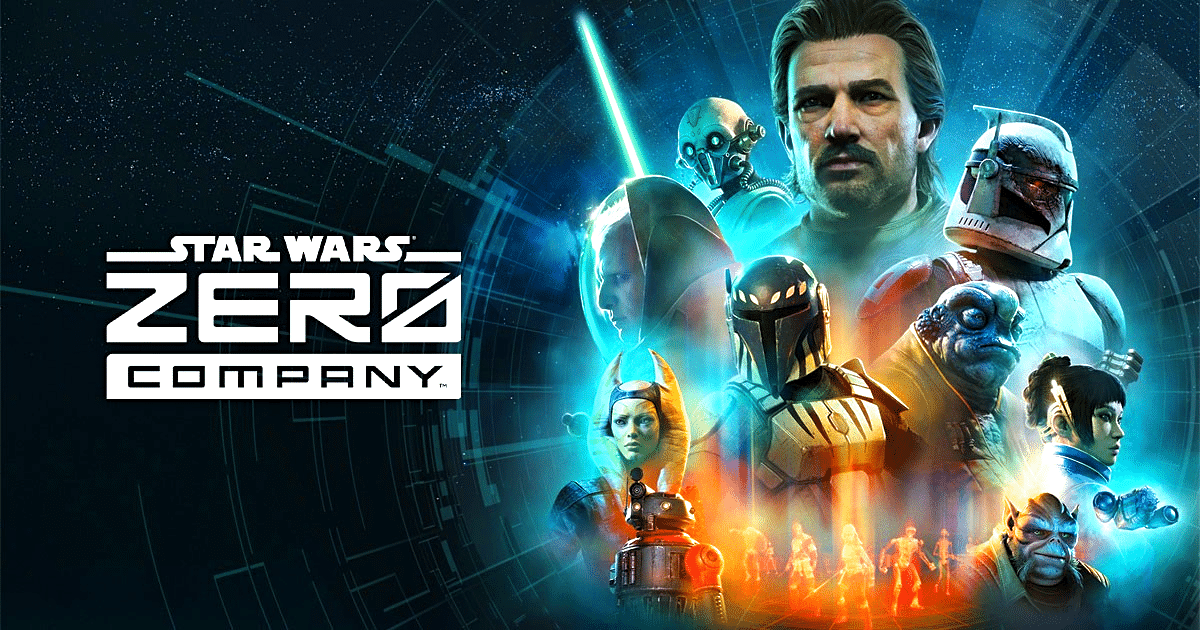
Turn-based tactics like in XCOM, presentation like in an action-adventure game. Zero Company makes strategy more immersive than ever—and it’s far from just a graphical gimmick.
There are two versions of Star Wars: the grand, epic Star Wars of lightsabers and superweapons, Sith rituals, and prophecies. And then there’s the Star Wars of blasters, uniforms, cramped apartments, and the friendships of ordinary people.
Sometimes these two worlds collide, making this galaxy far, far away seem so vivid and vast that there’s room there for both the ambitions of an immortal Emperor and the pangs of conscience of an insignificant officer.
And so there’s also room for a game likeZero Company, which turns the Star Wars saga into a turn-based tactics game and manages to draw inspiration and courage from the small things, even in dark times.
Exactly what that means can’t be explained without massive spoilers, but there’s a simple solution:Play Zero Company yourself—you won’t regret it!We’d stake our lives on it, even though this XCOM-style game is far from perfect.
Table of Contents
On a Covert Mission in the Clone Wars
It all starts with the urge to possess, as it always does. Adam wanted an apple, the Emperor wanted absolute power, and our hero wanted a pile of credits. Because he or she—it depends on your character creation—Ex-Captain Hawks, who was kicked out of the Republic military, is deeply in debt to the Hutts. He can barely afford to pay his team of down-on-their-luck and homeless misfits anymore, and his creditor is breathing down his neck.
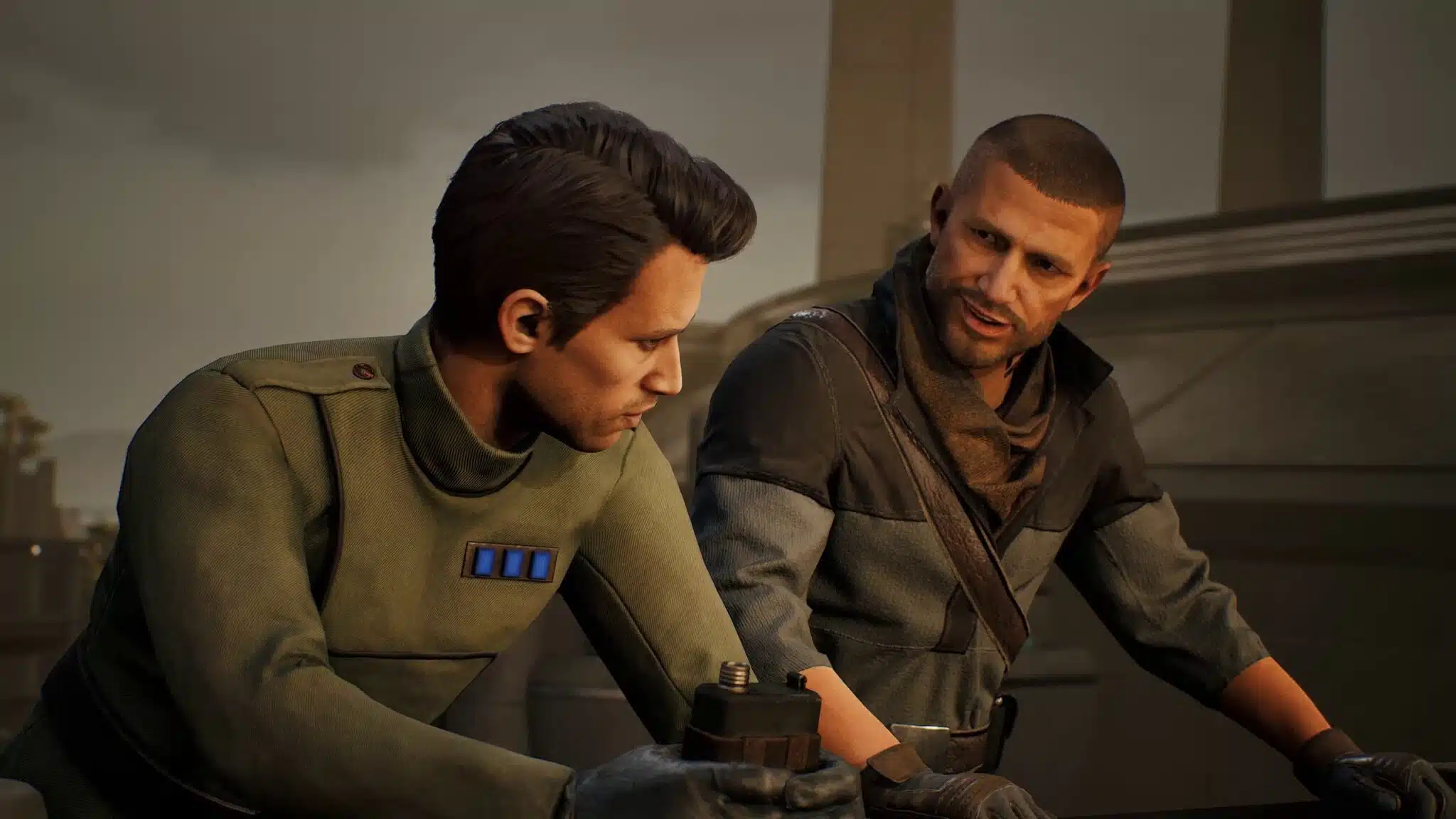
Then, of all people, the Republic Intelligence Service knocks on his door and offers him a job. His group, Zero Company, is tasked with dealing with an underground organization. The so-called Spiral destabilizes planets so they can be taken over by the Separatists under Count Dooku without much resistance.
At the same time, it is spreading a strange disease that turns those infected into willing followers of the Spiral and sometimes grants them unnatural strength.
Left with no choice, Hawks accepts.
The characters are the game’s strongest suit
The plot itself may not be among the best Star Wars has to offer, but it’s certainly not the worst either. Where the game may fall short on suspense, it makes up for it with believable characters who have grown on us.
And that’s the biggest difference from its XCOM-style competitors and Zero Company’s particular strength: We care about our agents—they’re more than just a collection of traits and abilities. We’re on the edge of our seats, rooting for their fates right up until the very end.
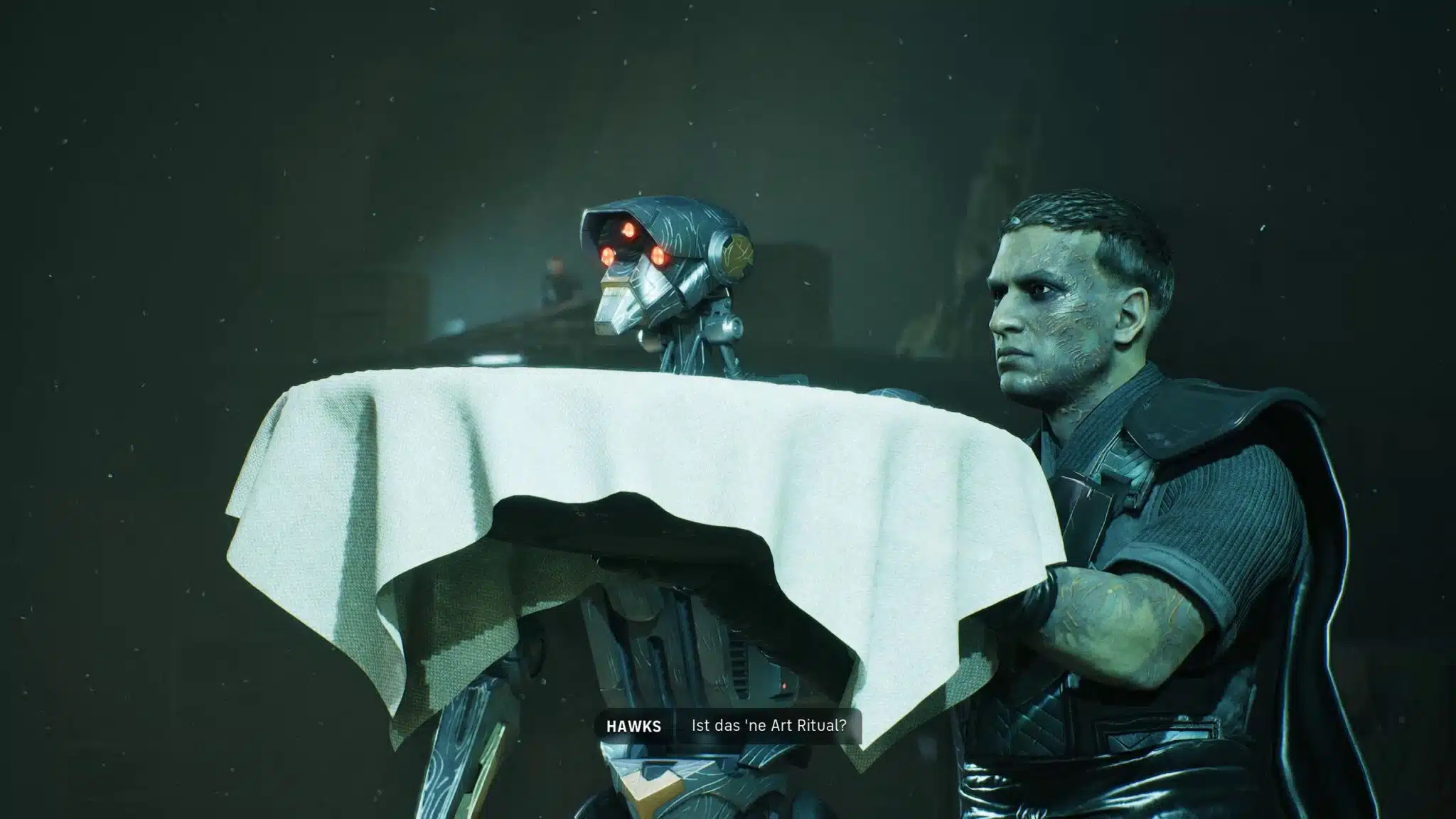
This is made possible by the beautiful dialogue, written at times with humor, at times with gentle melancholy, and at times with thoughtful seriousness. The chemistry within the team is spot-on—from the outspoken, slightly self-absorbed Runa to the fatherly Kabb, all the way to the ever-skeptical yet thoughtful liaison officer Bennic.
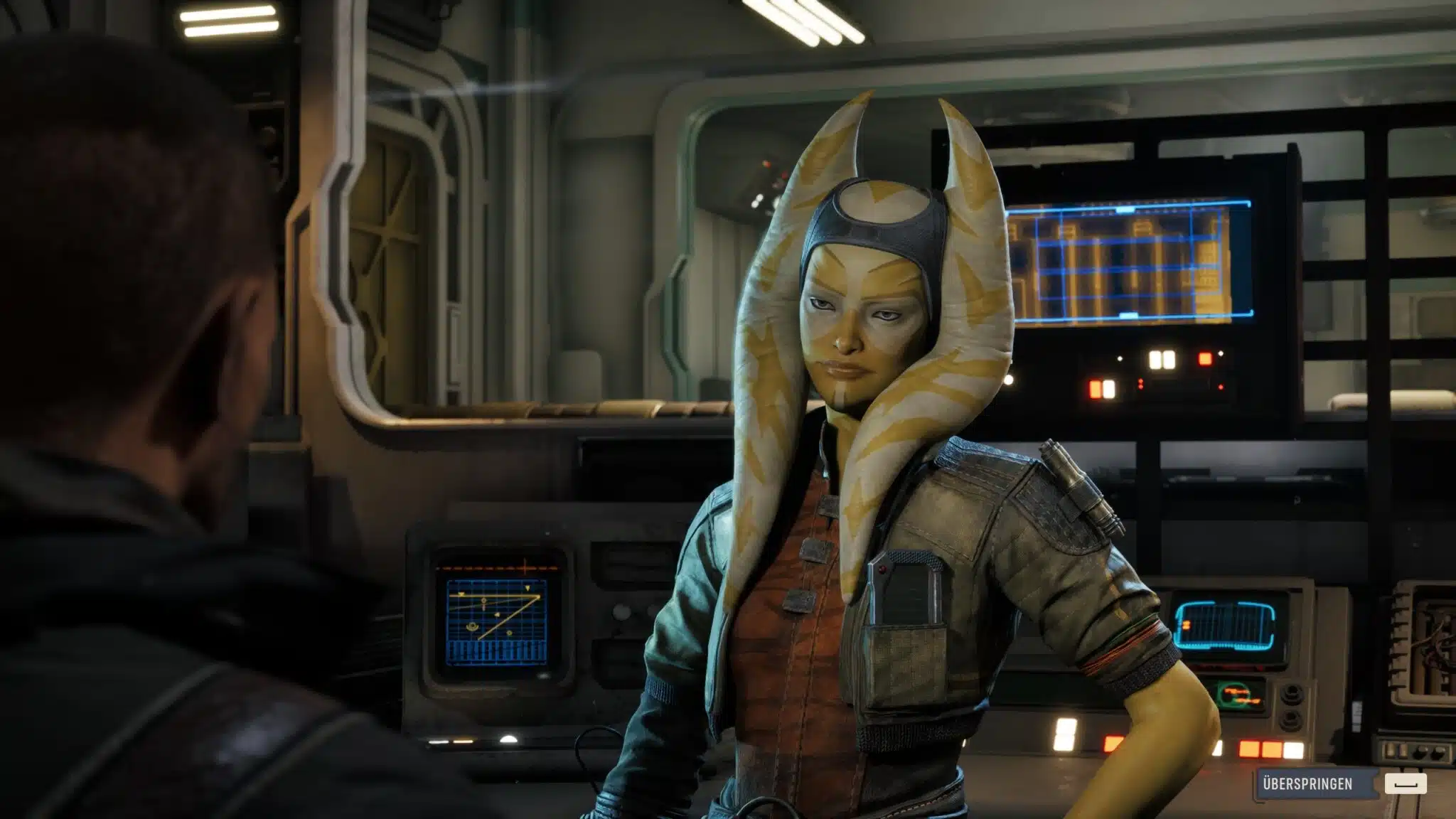
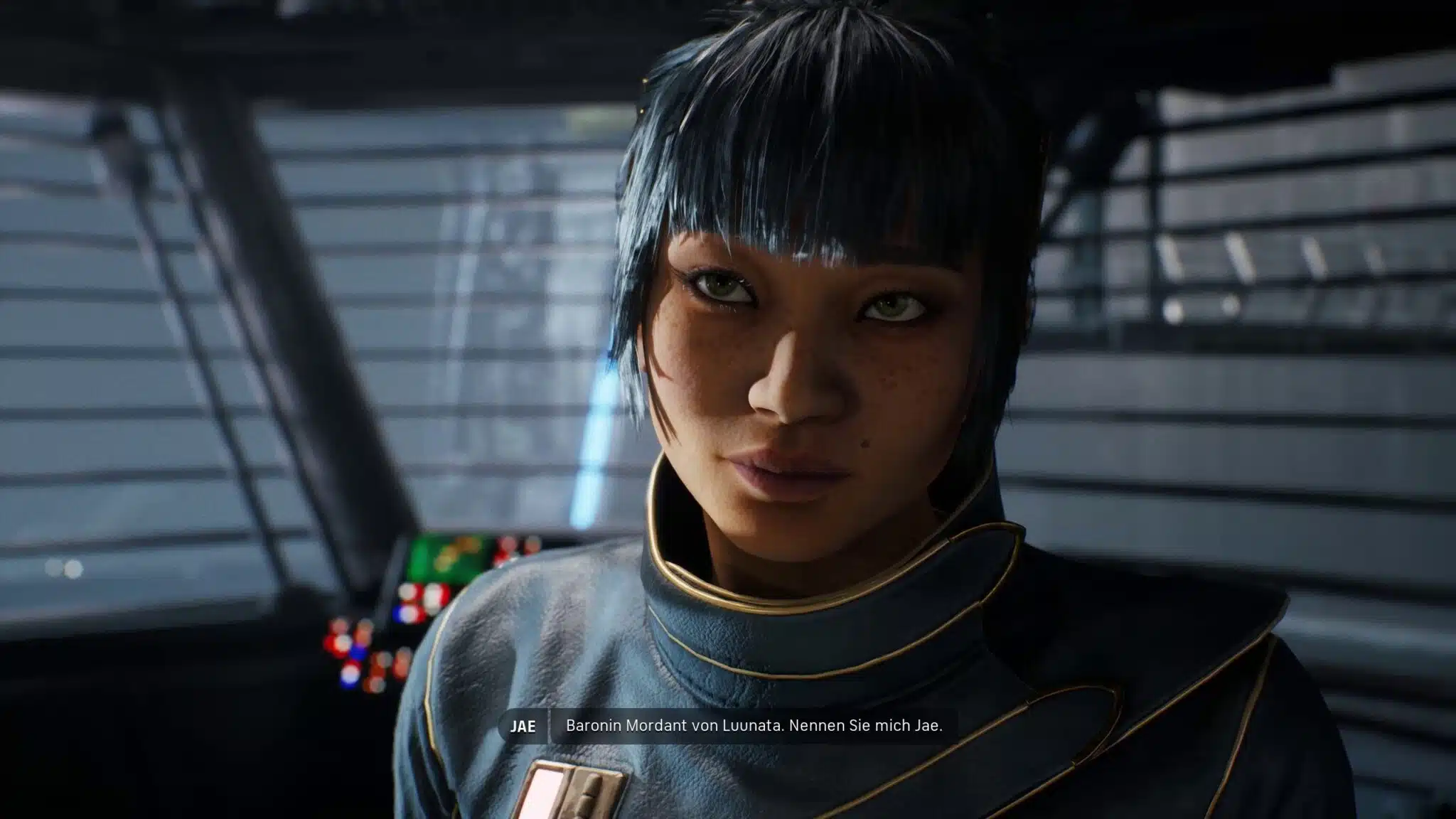
And Hawks himself, much like Geralt in *The Witcher*, brings a compelling personality and backstory to the table. However, anyone who immediately thinks of romance upon hearing the word “witch” will be disappointed. There are no romantic relationships in *Zero Company*, and the social interactions are nowhere near as extensive as in *Marvel’s Midnight Suns*.
If you can fight, you can die
The fact that interactions with your companions work so well is partly due to the fundamentally different roles they play. Of the ten main characters, four aren’t agents who go on missions with you at all. They’re part of the crew and bring a different dynamic to the game. And: They can’t die.
For all field agents, however, the standard rule applies: If your health points are reduced to zero three times in a row—and you don’t make a trip to the infirmary in between—you’re done for. If you lose one of these main companions, you can hire less fully developed agents to replace them, but their story arc—with conversations and special missions—is lost.
The presentation makes the world feel accessible
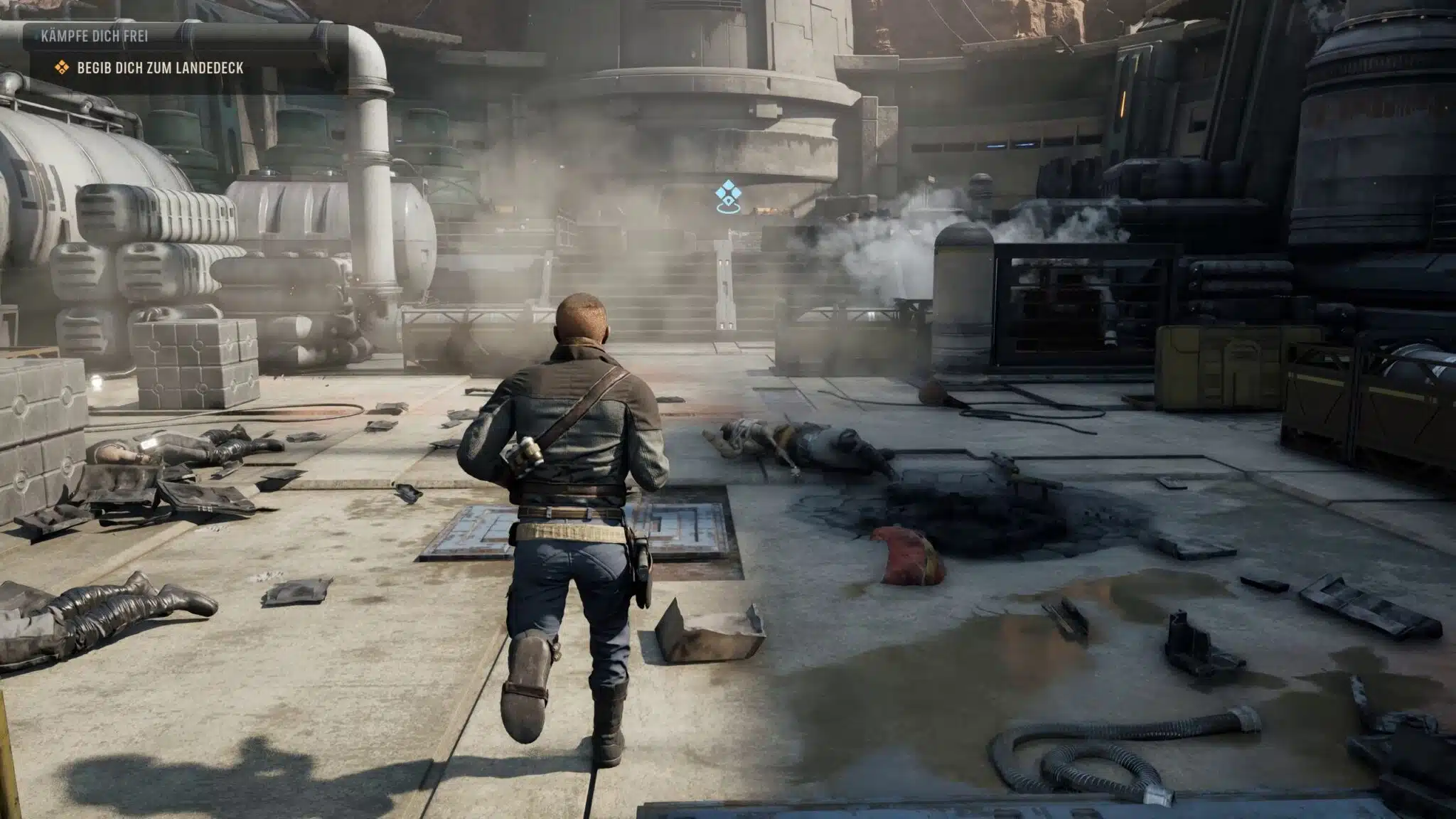
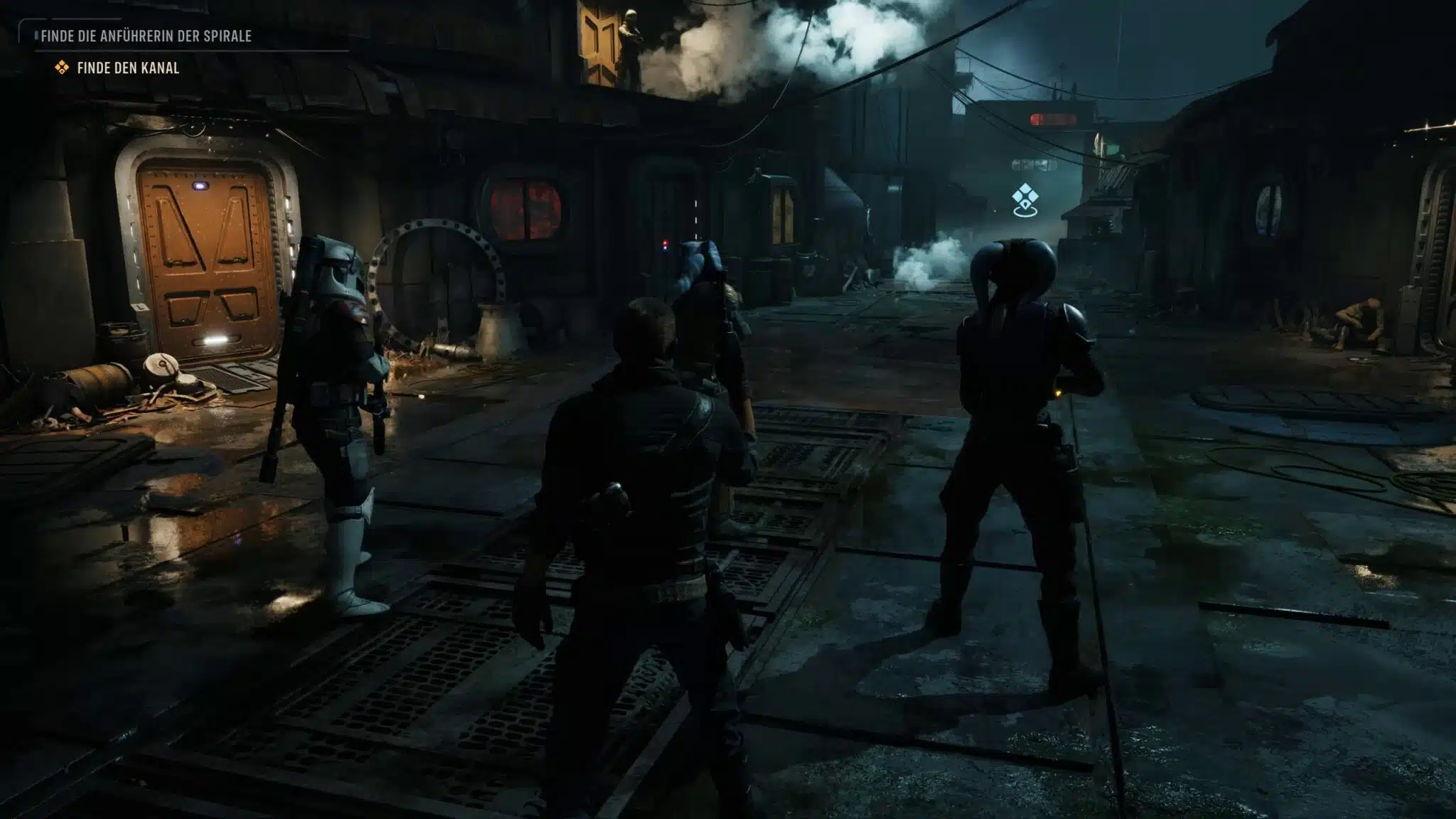
Our connection to the world and the characters is further strengthened by the presentation. Just like in an action-adventure or role-playing game, you experience the stunning graphics of your surroundings from Hawk’s over-the-shoulder perspective—making it much more immersive than is typical for this genre.


Genre Standard on the Battlefield
Why does this review wait so long to address the heart of the game—the turn-based battles themselves? Well, compared to the presentation, they’re rather standard. Anyone familiar with the genre will quickly find their bearings. And even newcomers shouldn’t have any major problems thanks to the gradual introduction and step-by-step tutorials.
At its core, the game is about optimally using three action points per round with usually four agents. You invest in movement to get closer to an enemy. You have your agents take cover or send them to the evacuation zone as quickly as possible.
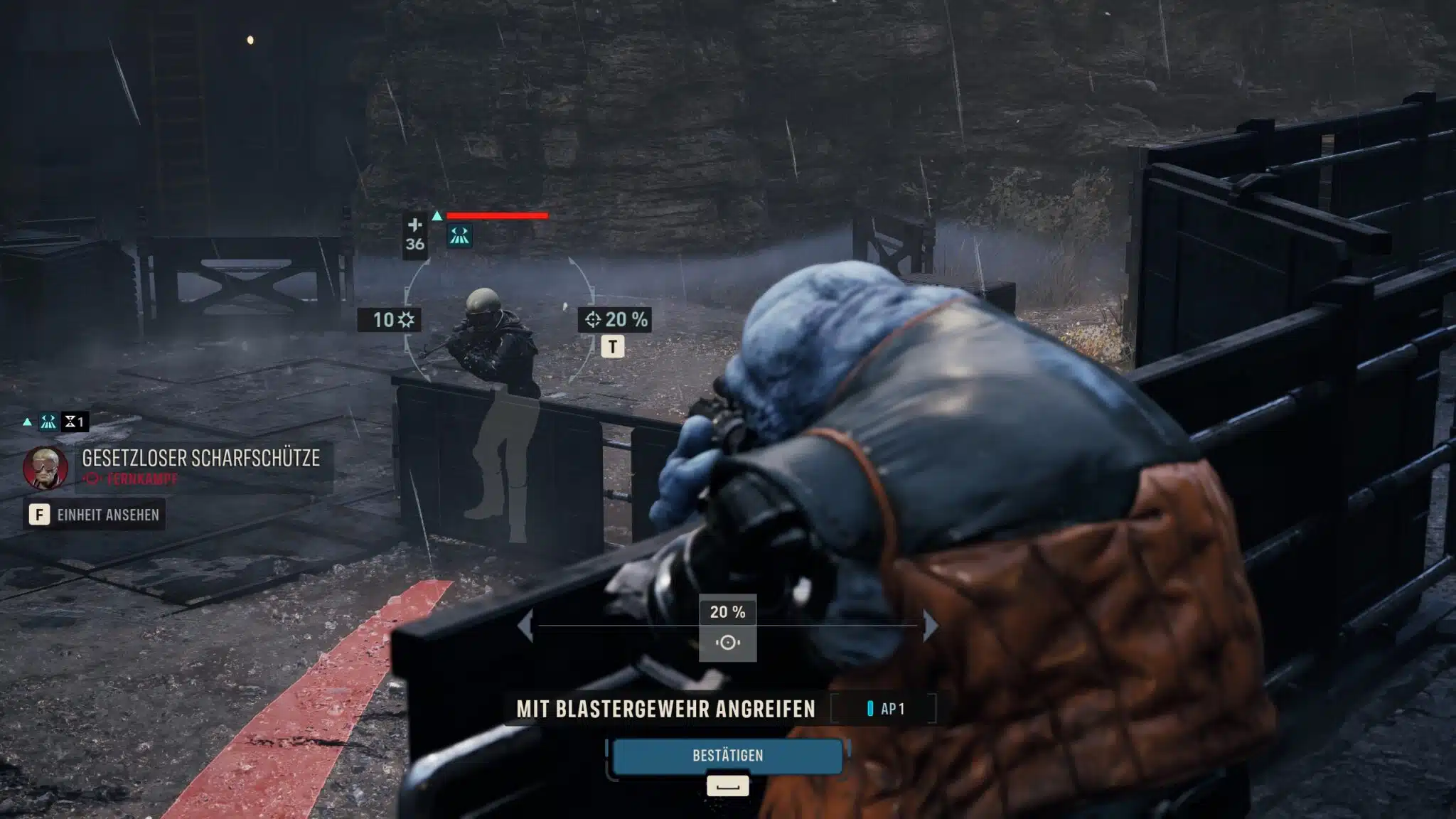
Depending on the weapon type, agents consume different amounts of action points. And their hit probability is calculated based on various modifiers such as cover and range.
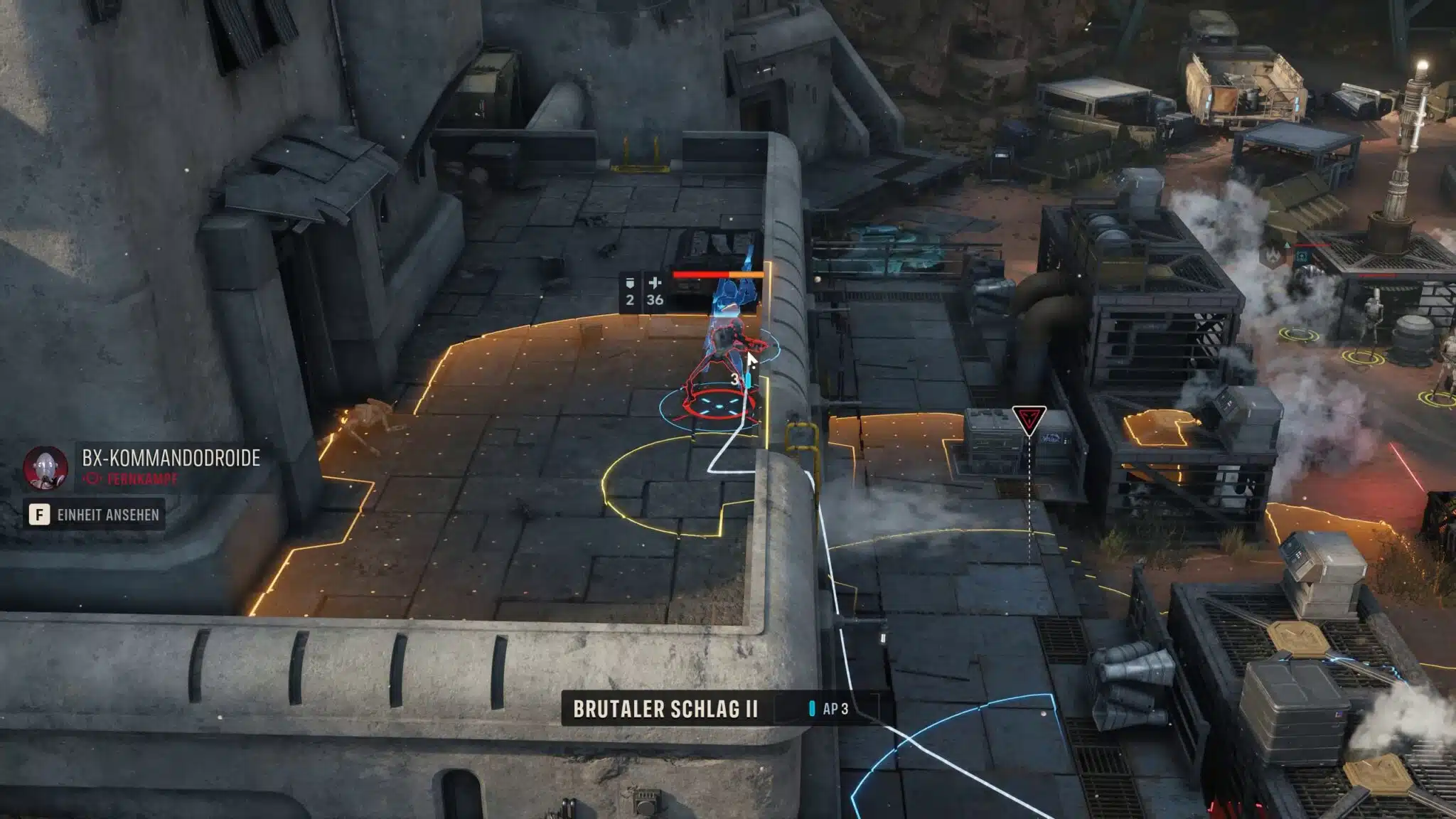
Each class also has a range of abilities at its disposal. Healers use stims and medipacks; agents specializing in “Military” can perform powerful melee attacks; and those with improvisation skills can mark enemies to ensure their next attack lands a critical hit. Gunslingers, on the other hand, can take out an entire army of frail B-1 battle droids in a single turn, as they regain one action for every kill.
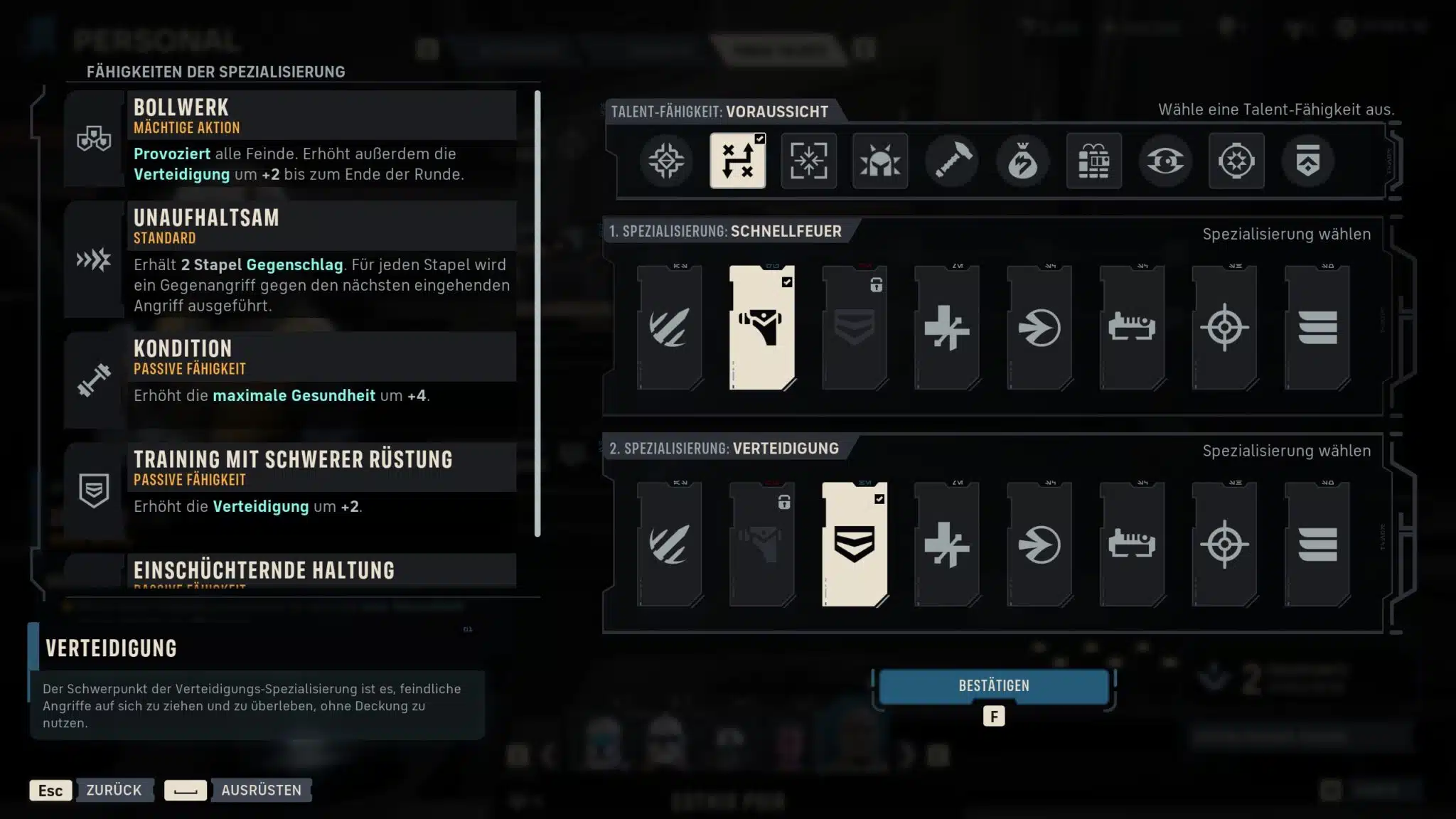
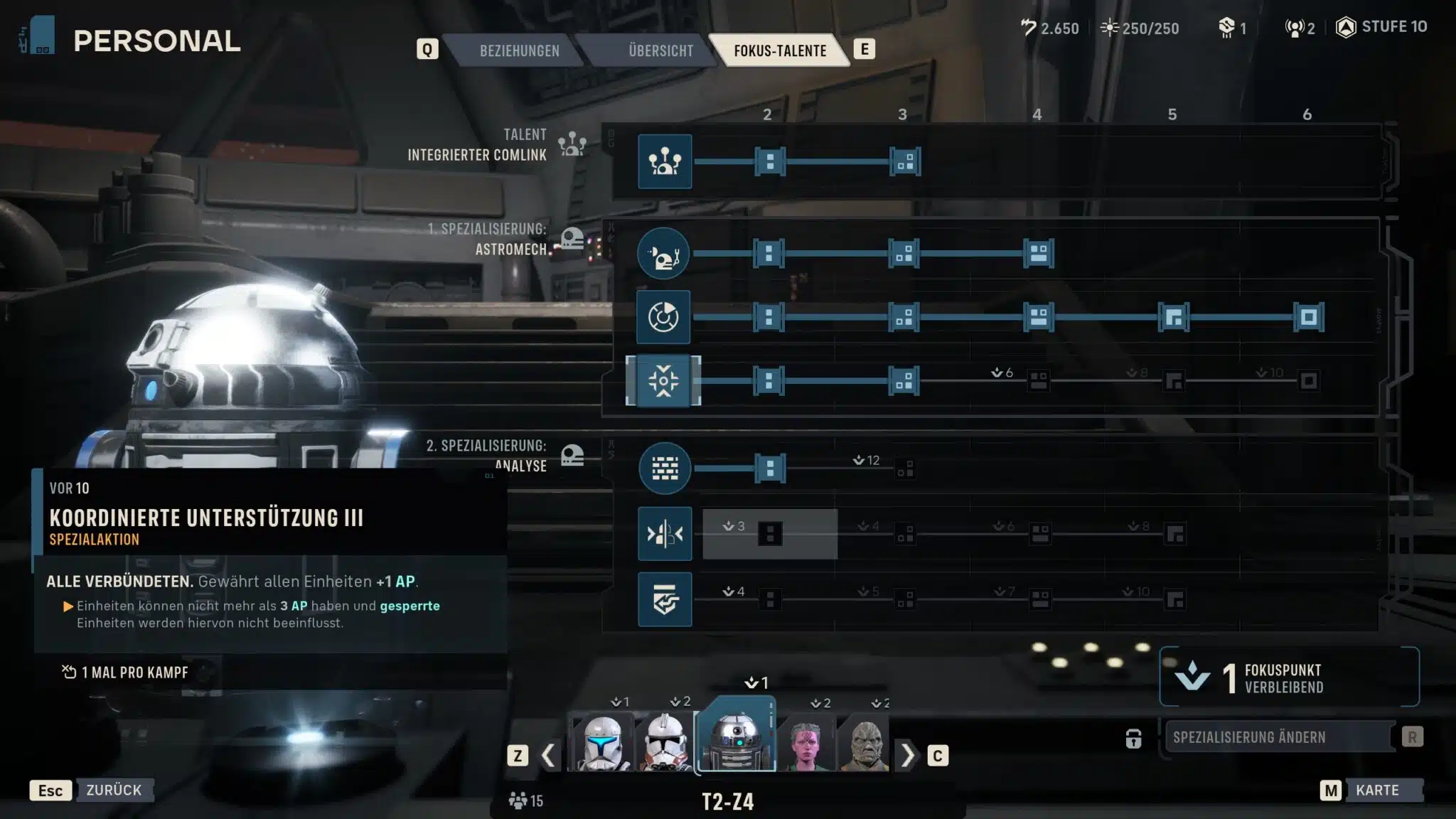
The special story companions also have unique abilities. These include, for example, the uppercut of former boxer Kabb, which—just like concussion grenades—can knock enemies into chasms at opportune moments, killing them instantly.
The company relies on teamwork
Additional depth comes from accumulating up to ten prep points. You earn these primarily whenever your agents deal damage. You can use them to trigger class-specific special actions, such as a powerful rocket attack or, in the case of the small astromech droids, recharging action points for the entire team.
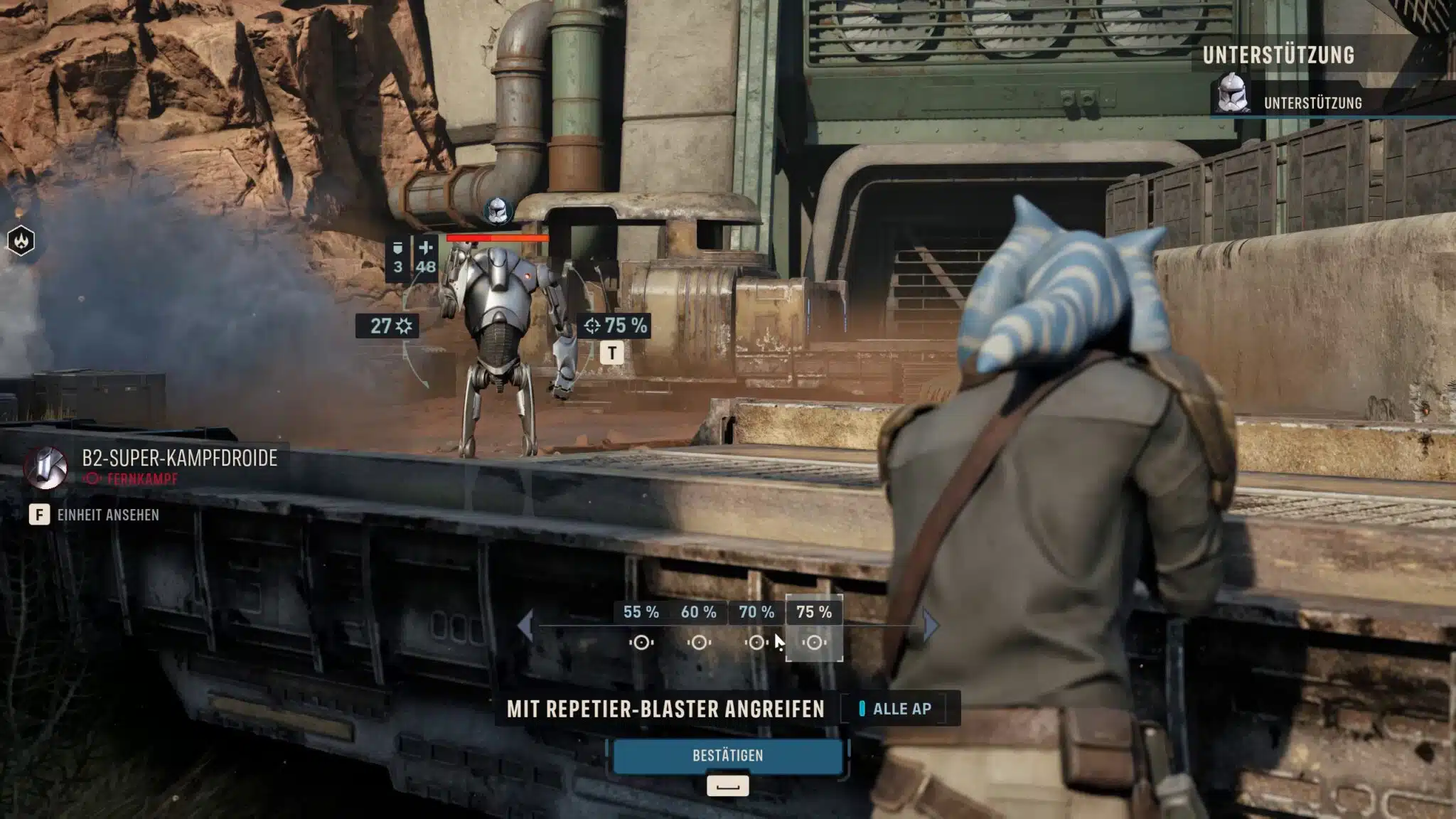
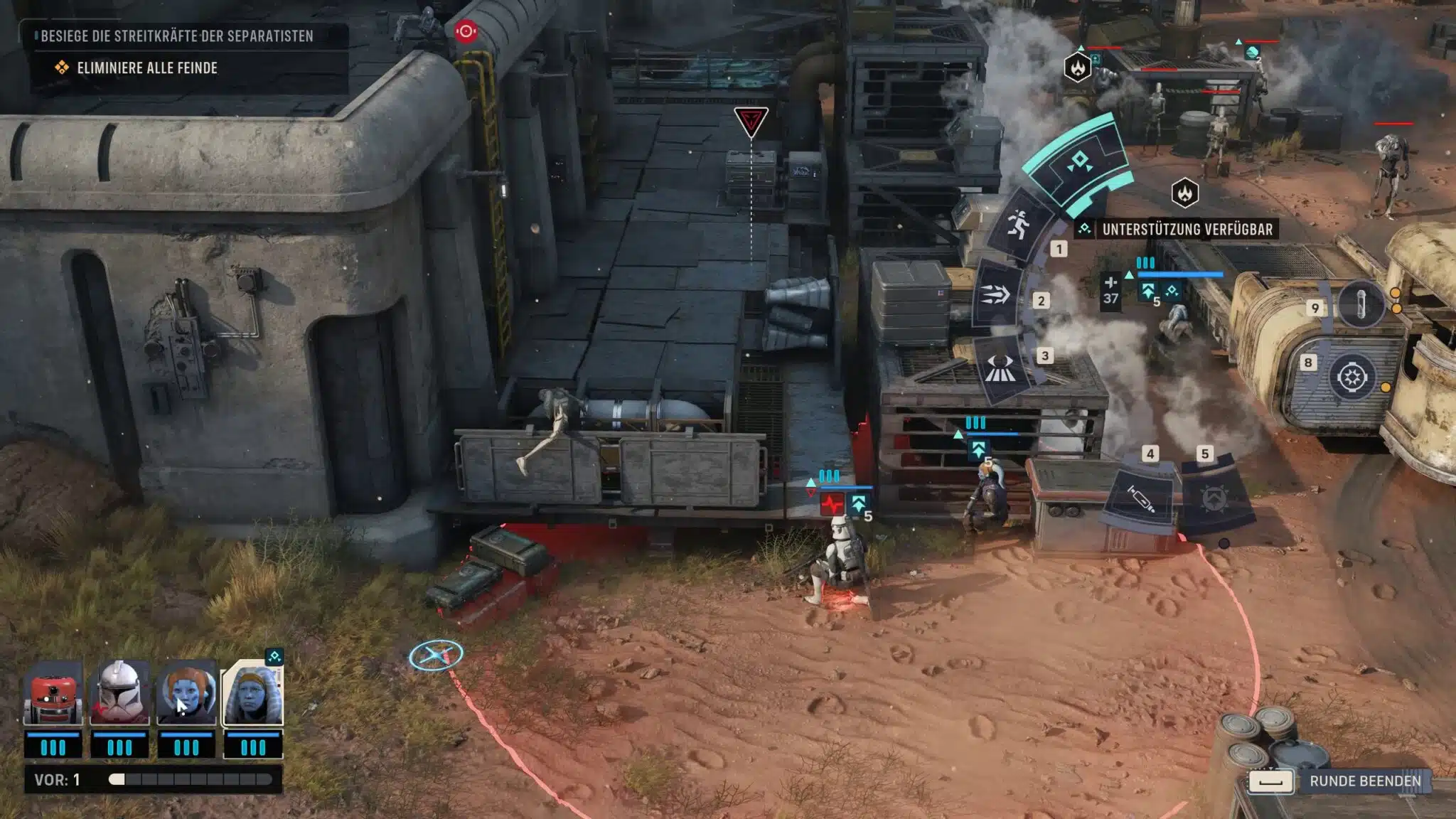
Furthermore, Zero Company introduces another layer of decision-making through its support system. Each round, one of your agents may support another on their next attack—provided they have a clear line of fire. This costs neither of them any additional action points and, if successful, grants them a relationship bonus.
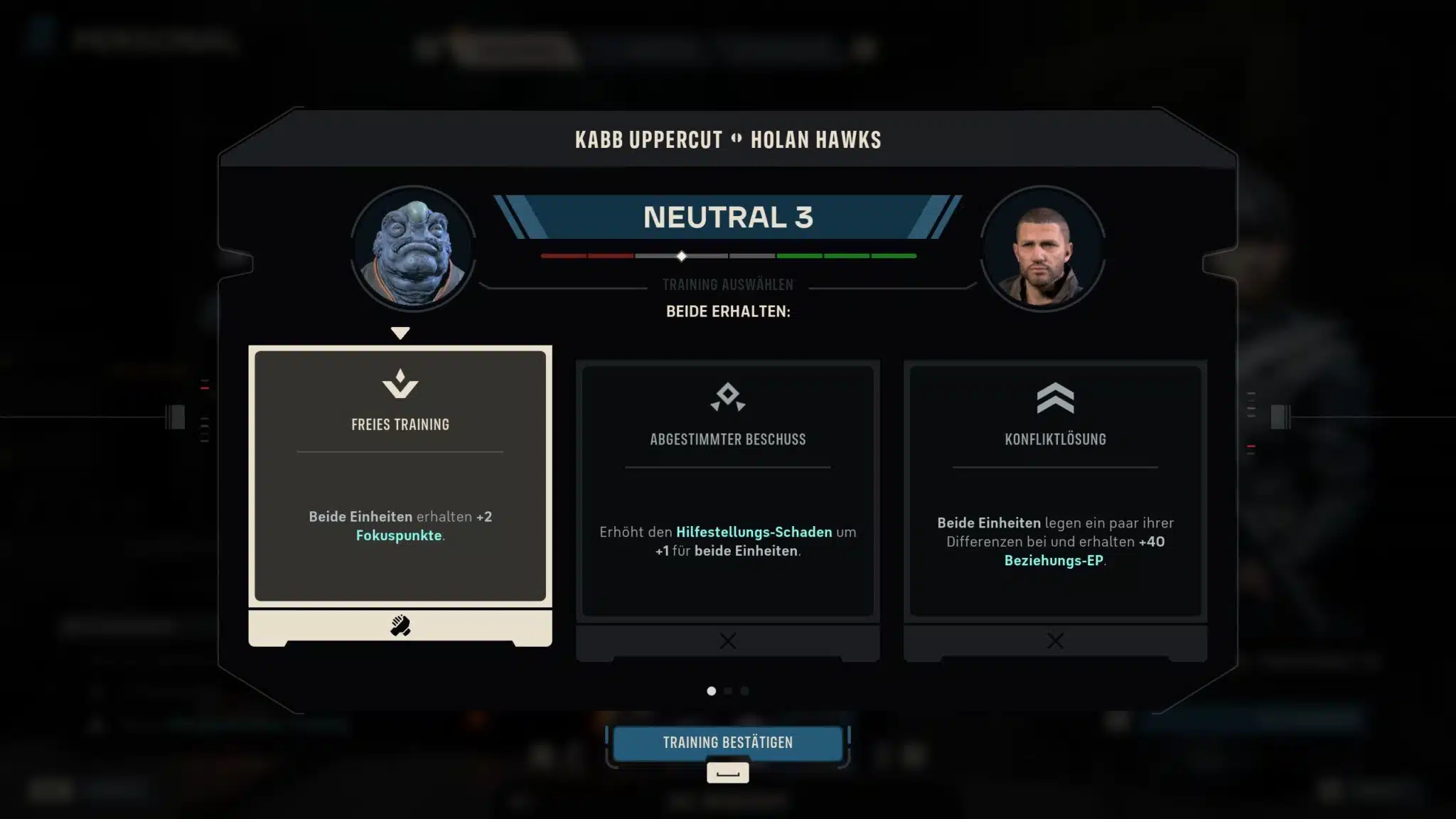
Good relationships can be converted into permanent bonuses. Whenever two characters reach a new level, they unlock a joint training session where you can choose one of three stat improvements. The game thus rewards you for having certain heroes fight together often.
War is a little too often the same old story
Depending on the combat situation, you’ll combine your arsenal of options to try to complete the mission objective. This can involve eliminating all enemies, rescuing a hostage, sabotage, or holding a position for a few rounds.
Throughout the entire game, Zero Company could have been a bit more creative, and the same goes for the variety of enemy types and maps. The game has a few real surprises up its sleeve, but some patterns repeat themselves a bit too often. Above all, we would have liked to see more bosses or elite enemies that require a completely different approach.
Still, every battle kept us entertained because the core mechanics mesh together so well. For example, destroying battle droids is just always fun. They fly through the air in an extremely satisfying way when they explode and then lie there twisted and broken.
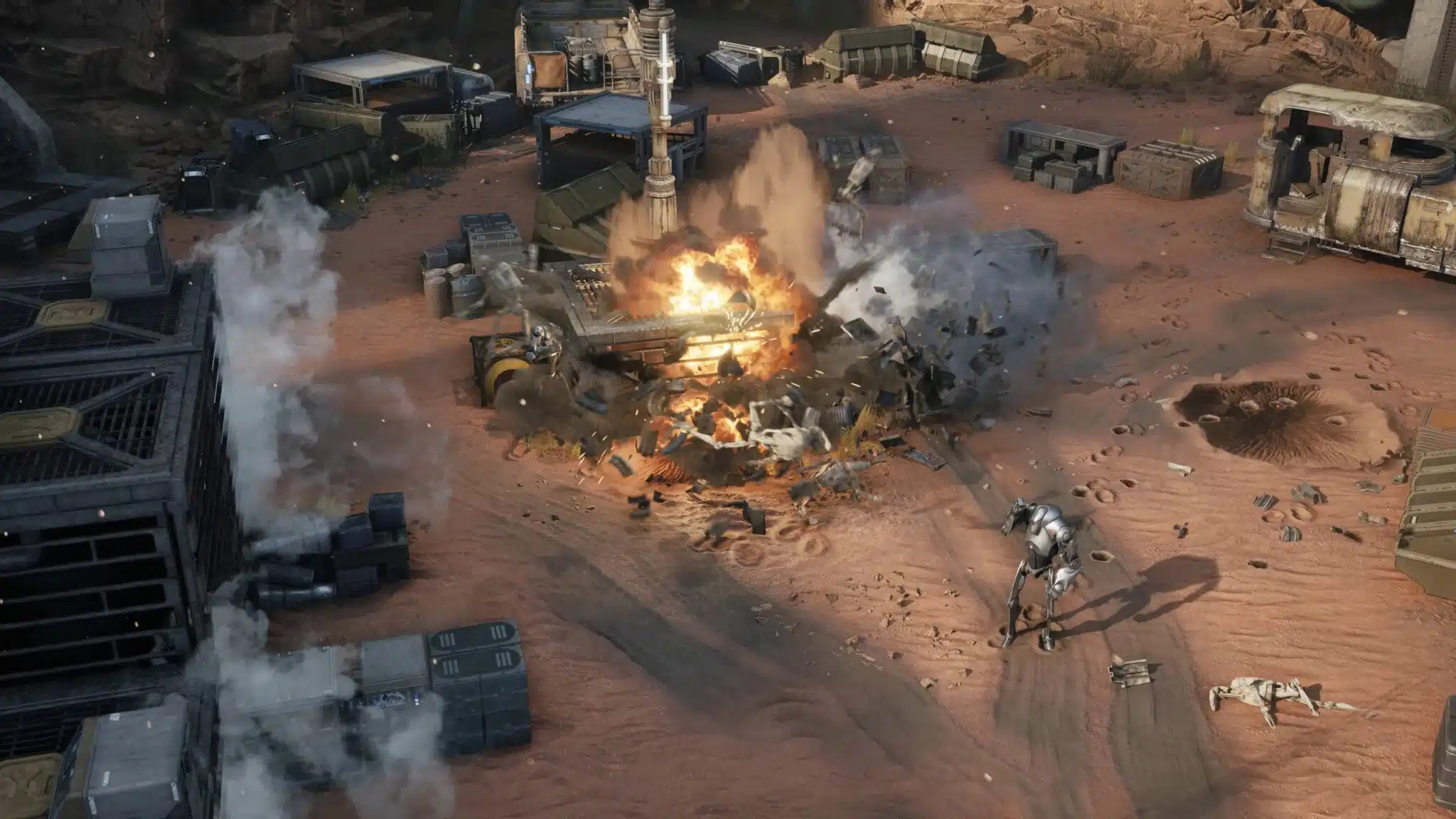
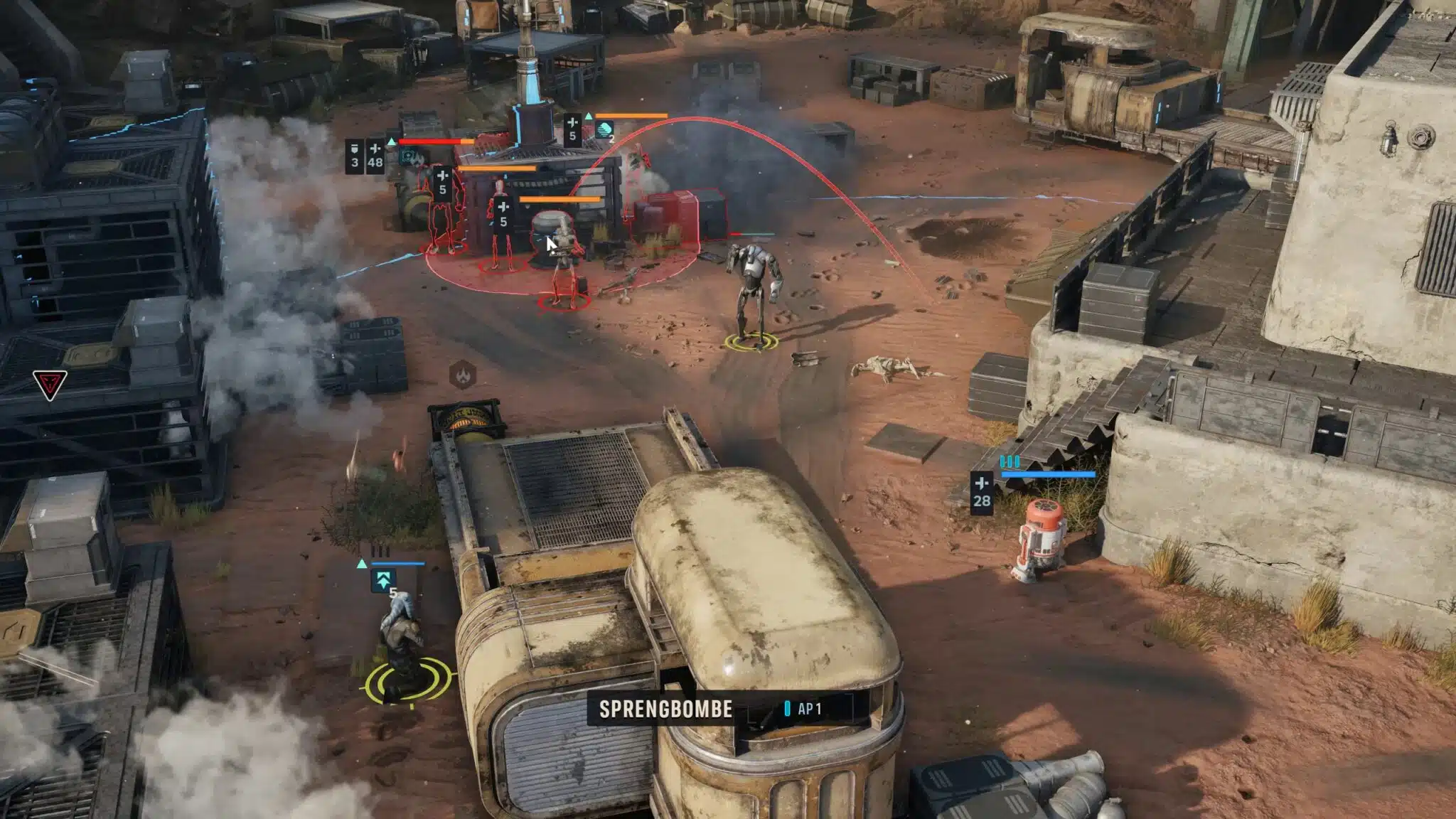
Overall, the battles look great—from the fluid attack animations to the partially destructible environment to the units exchanging fire in the background. The Star Wars vibe and the fantastic soundtrack add to the experience.
Lots of options, (too) little frustration
Overall, the combat system in Zero Company shines with its wide variety of options. It’s even possible to send four astromech droids into battle. They don’t have any standard attacks, but they do have a wealth of support abilities and an extra-large inventory for grenades. These refill for free after every mission and are quite powerful, just like in XCOM 2. These little droids are especially feared on maps with chasms!

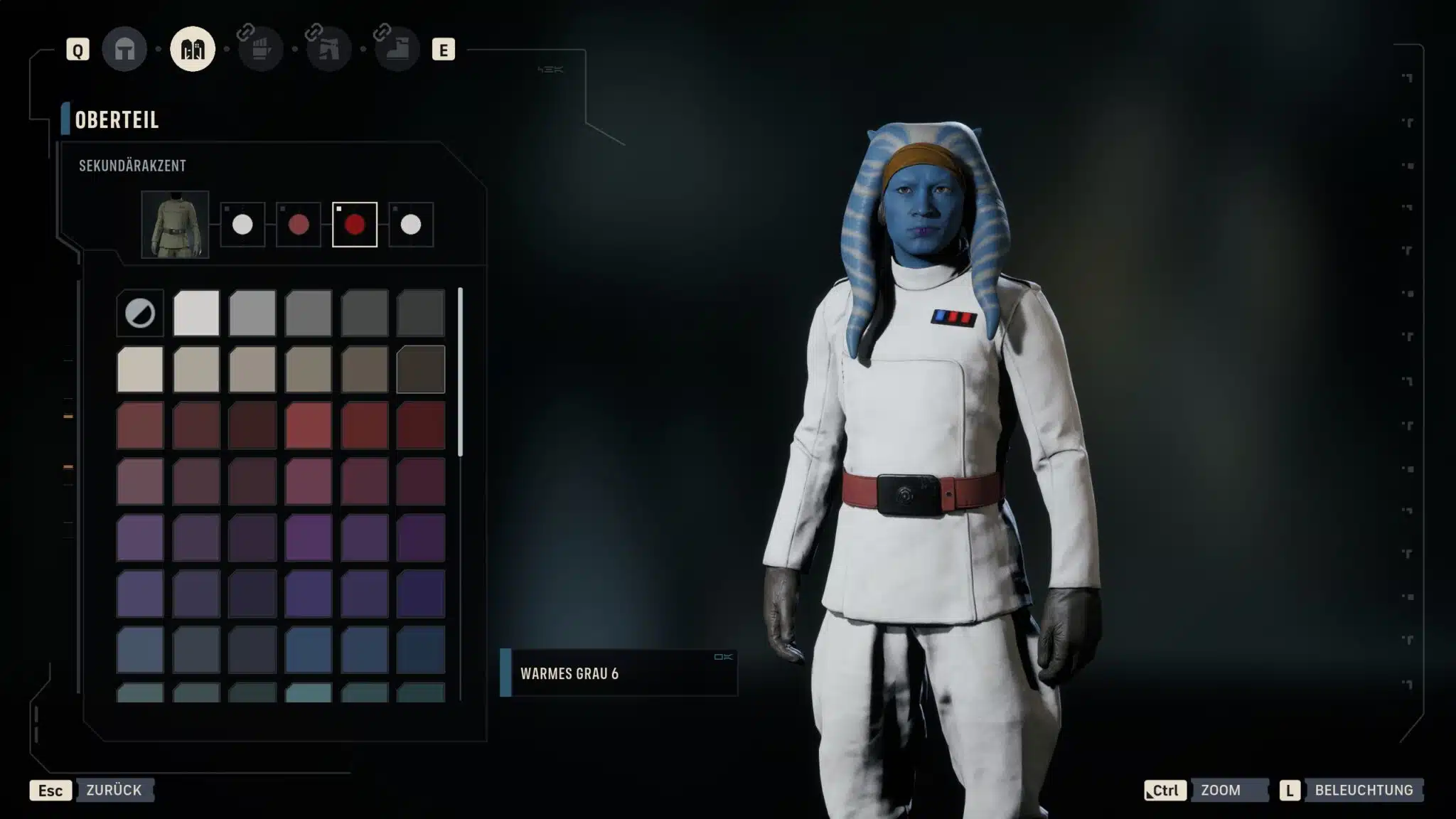
So if you like to experiment, Zero Company is the perfect game for you. And not just because of the combat styles. The game also gives you complete freedom when it comes to your crew’s appearance. While the personalities of Hawks and his companions—including those without major side stories—are predetermined, you can customize their appearance later on, including their bodies, clothing, and weapons.
During character creation at the start, you can even set Hawks as a man or woman of various humanoid species, such as Twi’lek or Rodian.
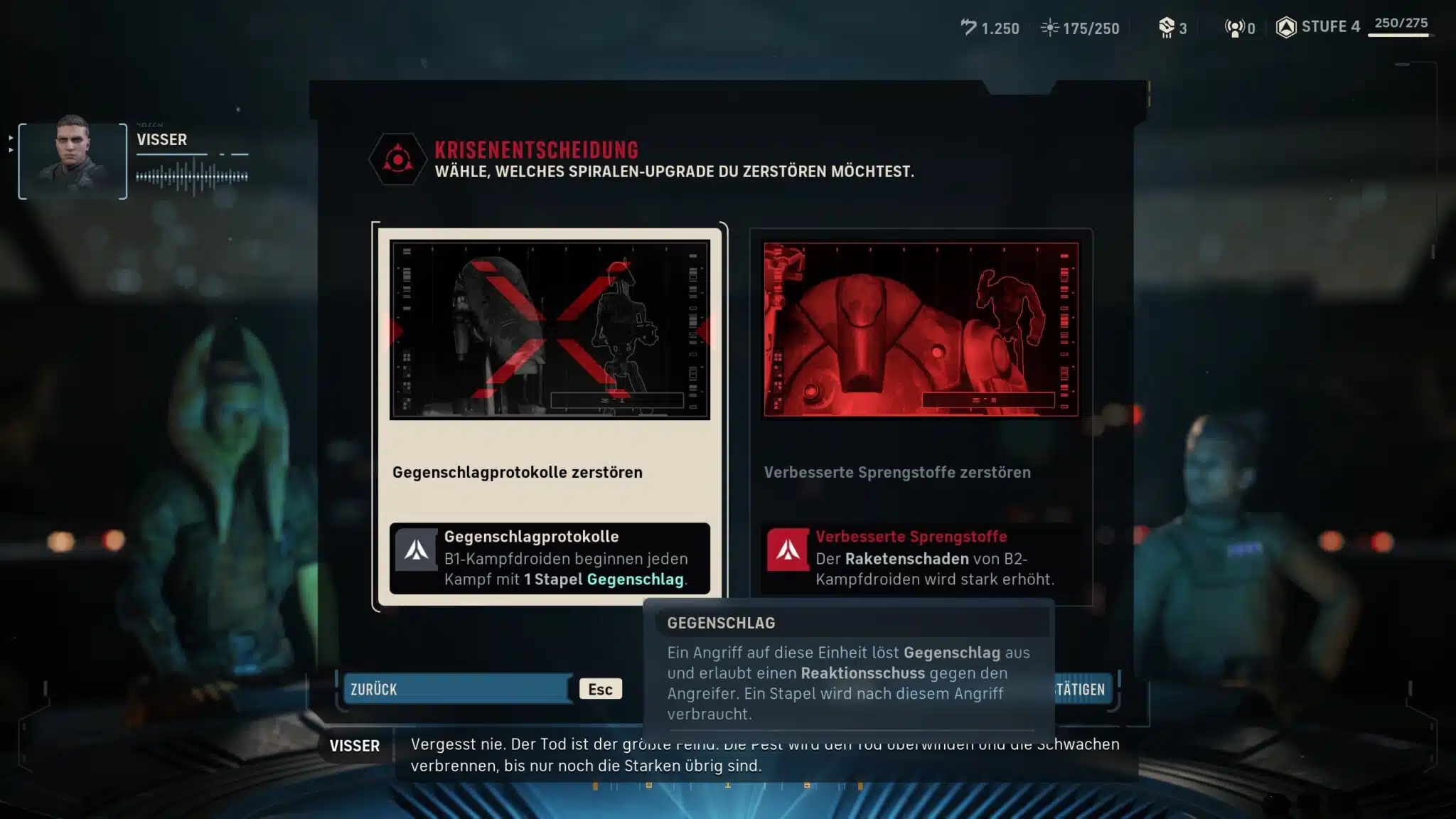
For master strategists, Zero Company currently doesn’t offer enough to keep you coming back for endless playthroughs. That’s because, while the game starts off ruthlessly on the highest difficulty level, But as soon as your team levels up a bit and realizes its full potential, you’ll rarely find yourself in serious danger.
For a real thrill, however, you can enable Beskar Mode, where you’re not allowed to save manually. If an agent dies there, there’s no turning back. And if Hawk himself bites the dust, the entire campaign ends and your save file is erased! But that also means you can’t go back, even if you accidentally click the wrong button or bad luck follows you.
You can never do everything
Your luck with progression on the galaxy map can be just as unpredictable. The game is divided into cycles and consistently offers you more missions than you can complete. Because each turn-based tactical battle marks the end of a cycle, and since missions expire after a few cycles, you’ll have to prioritize based on the rewards on offer.
You can never do everything
Your luck with progression on the galaxy map can be just as unpredictable. The game is divided into cycles and constantly offers you more missions than you can complete. That’s because each turn-based tactical battle counts as one cycle, and since missions expire after a certain number of cycles, you’ll need to prioritize based on the rewards offered.
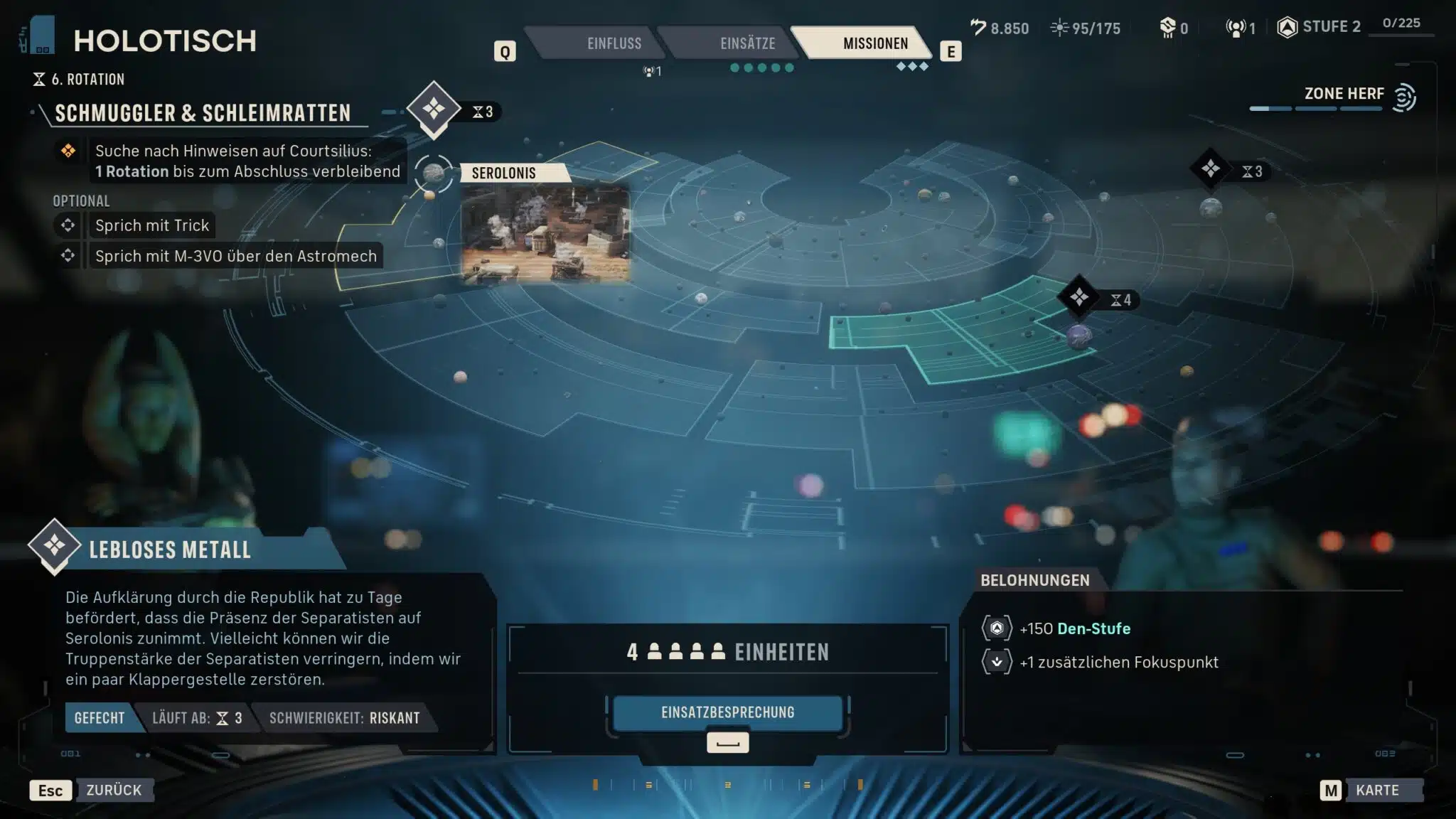
Since urgent main or sabotage missions sometimes come up, you may suddenly find yourself without enough time to complete all of your companions’ side missions.
The same principle applies to the somewhat confusingly titled “operations.” These are short, text-based tasks that are resolved immediately and without combat. While you can accept several of these per cycle, doing so costs the currency “Information,” which you can only earn by completing combat missions. In some of these operations, you’ll have to choose between several options, some of which yield no reward or a smaller one.
The entire progression system is thus designed to have you make decisions on an ongoing basis. Basically, this is a successful approach, though it’s slightly undermined by the lackluster base expansion. Your progress isn’t visually represented, and the bonuses themselves are often unspectacular.
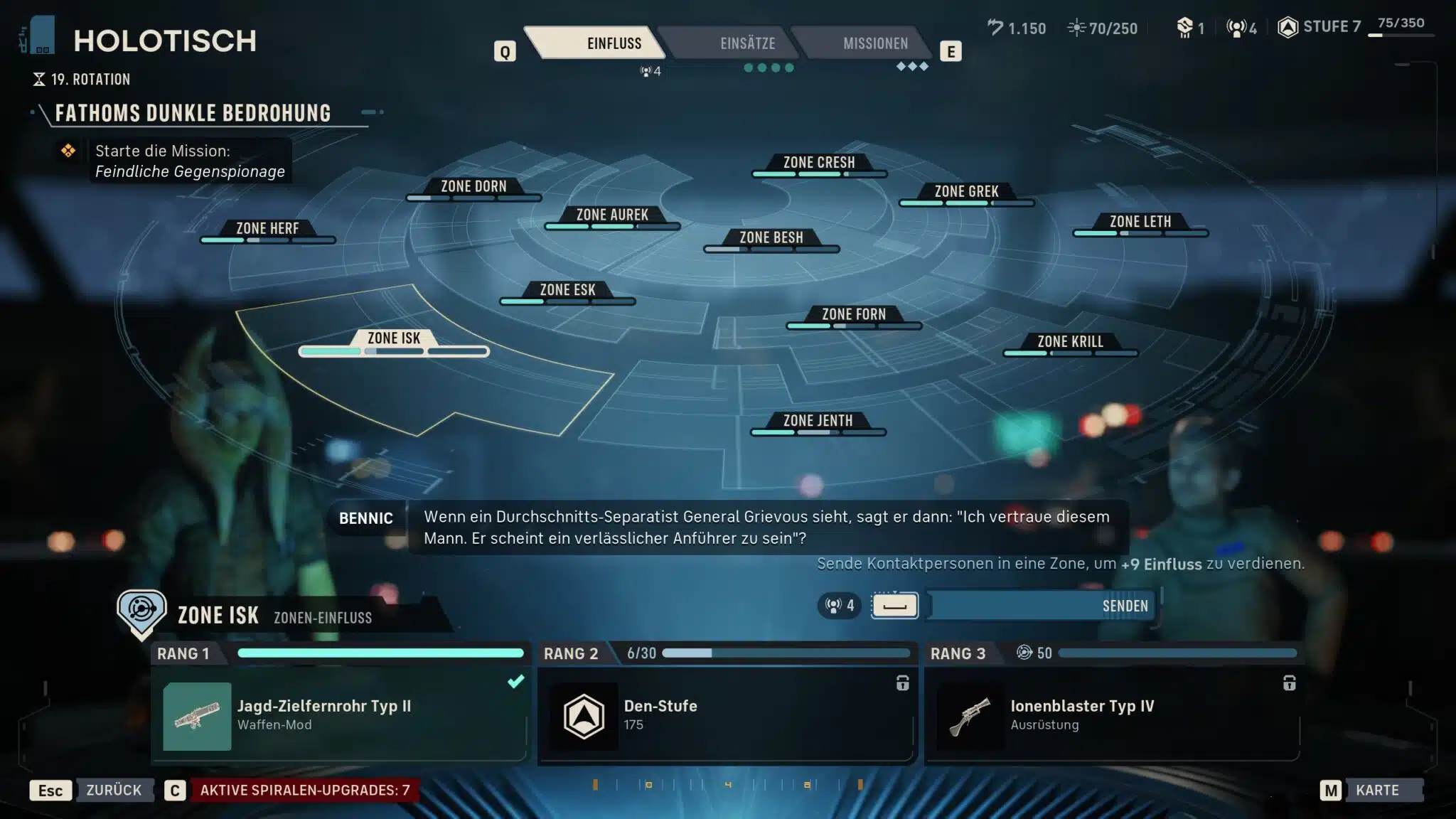
On the other hand, the idea that your missions and operations improve your reputation in the respective sectors of the galaxy is cool. Once you reach a certain threshold there, you’ll receive perks and equipment. This adds an extra layer of consideration to deciding when and where to complete missions.
The technical side needs some polish
Finally, a few words about the technical side. Overall, it was solid during our test; we didn’t experience any crashes or similar issues. However, our test version still lacked a bit of polish. Even with sufficient hardware, the game often didn’t quite reach 60 FPS on maximum settings.
At the start of in-game cutscenes, there are also often brief loading stutters, and environmental details pop in unattractively. The AI turn calculation phases sometimes get stuck for ten to twenty seconds, and—as is almost standard in this genre—the camera sometimes strays into the environment while executing abilities, causing you to briefly look inside a rock or a wall.

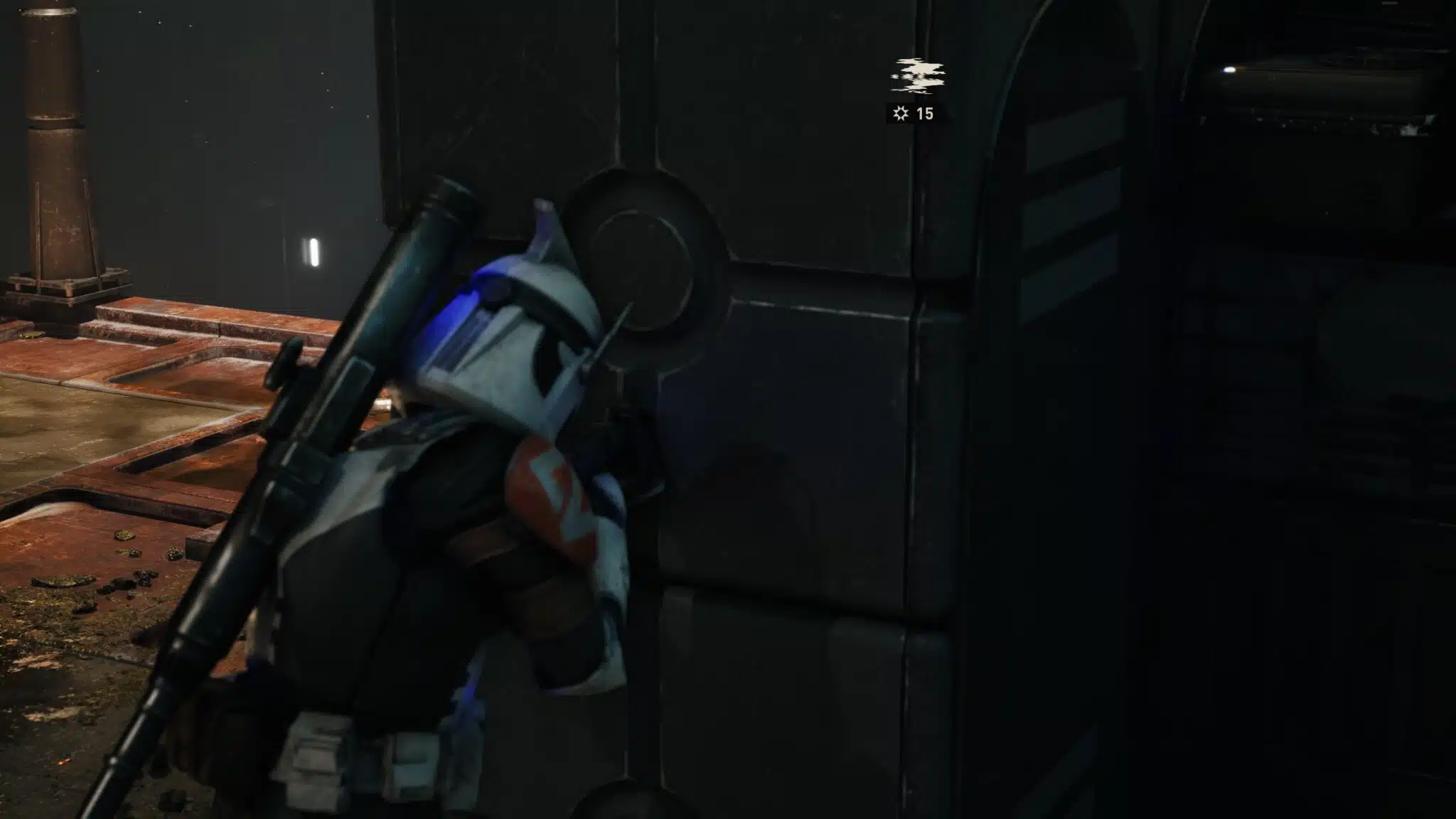
According to the developer, the latest Day 0 patch is said to have significantly improved these issues, though we weren’t able to verify that. Either way, these glitches didn’t detract from the gameplay experience for us. However, anyone starting out on a less powerful system might want to wait for initial feedback on stability.
Editor’s Verdict
Zero Company was made just for me. Because even though it isn’t perfect and still has room for improvement almost everywhere, the overall blend of strategy, immersion, and down-to-earth Star Wars works so well for me that I’m already pretty sure Bit Reactor’s game will be very close to the top—if not right at the top—of my personal list by the end of the year.
I’d be thrilled if the Maryland-based studio could release a sequel right away—if only to see my beloved companions again and embark on new adventures with Hawks, who’s grown especially dear to my heart.
Because if the game has succeeded in one thing, it’s breathing life into all the characters and making them much more than emotionless fighting machines. And that’s exactly what elevates Zero Company above XCOM 2 for me, even though the modern classic still has the edge in terms of pure gameplay mechanics. I therefore give it a practically unreserved recommendation.


