





BioWare’s closure was foreseeable, but the trigger remained a mystery. A new report reveals how a licensing deal with Lucasfilm sealed its fate. What’s really behind it?
For decades, Bioware was synonymous with gripping stories and memorable companions.
But the Canadian studio had also been suffering for years from the departure of key employees, produced flops, and failed to match the quality of earlier role-playing games like Mass Effect 2 or Dragon Age: Origins.
The studio’s closure by publisher Electronic Arts therefore came as no surprise. Now, A new report by renowned Bloomberg journalist Jason Schreier sheds light on the background and offers an unexpected explanation for the executive team’s decision.
The Story Behind the Bioware Closure
According to the report, it wasn’t just a lack of success that sealed the team’s fate, but a licensing deal in the Star Wars universe.
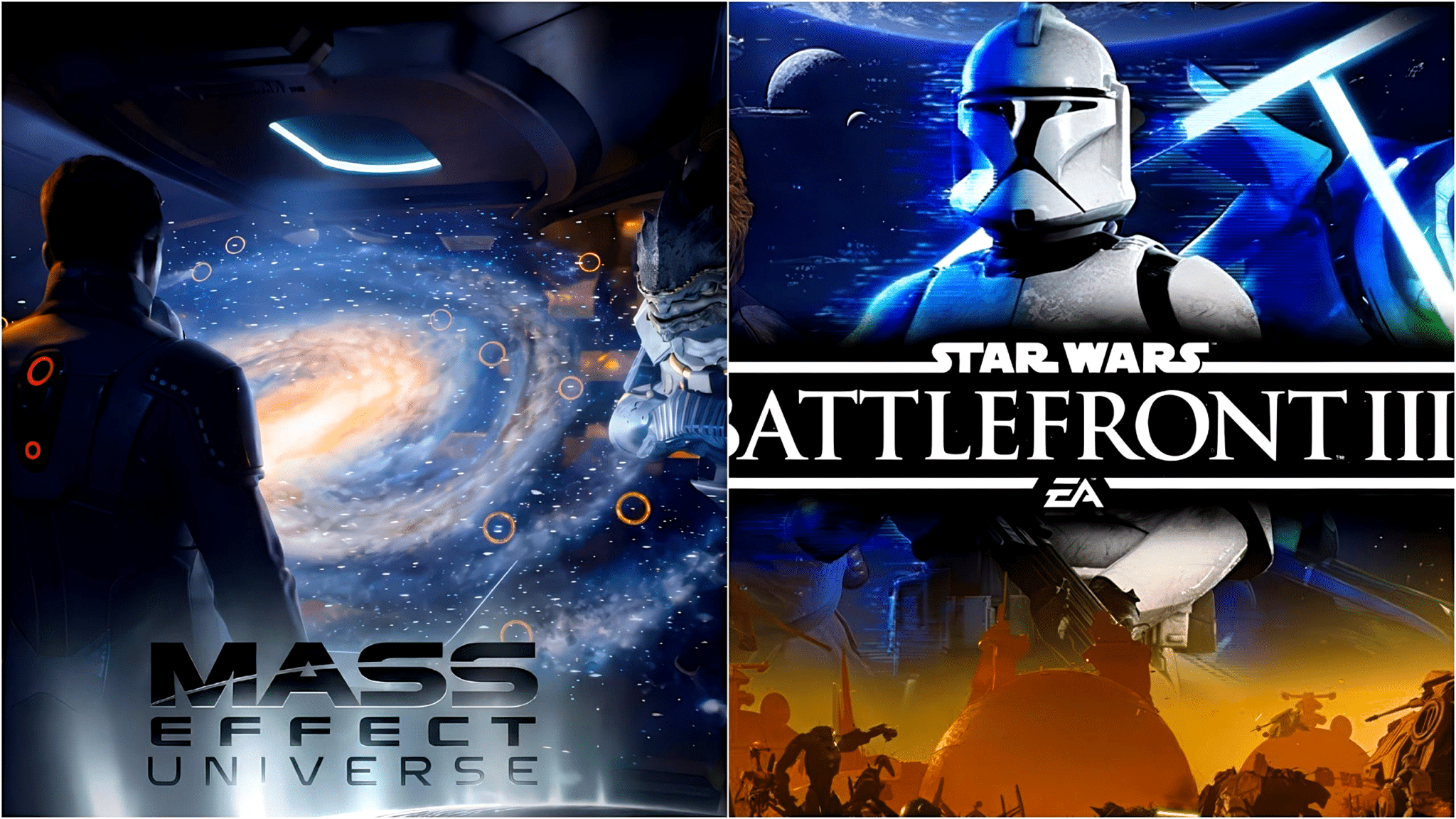
According to sources within the company, Electronic Arts was presented with a last-minute opportunity to develop Star Wars: Battlefront 3 in collaboration with Lucasfilm. This opportunity forced management to make a momentous strategic decision.
Battle of the Sci-Fi Franchises
Following a $55 billion leveraged buyout by a Saudi investment fund and the resulting $18 billion debt burden, EA found itself under unprecedented financial pressure.
Every game project in the portfolio was rigorously scrutinized. In the process, executives encountered a conflict of priorities. The financial plan included two massive science fiction productions, each of which would have cost hundreds of millions of dollars: Mass Effect 5—and Battlefront 3.
Group management ultimately decided against Bioware and in favor of Star Wars.
Although development of Star Wars Battlefront 3 has not yet begun, the project was considered internally to be lower-risk and more reliable.
With Dice’s Battlefield series, Electronic Arts looks back on a long tradition of multiplayer shooters; internally, the company simply felt more confident in this genre than in a complex role-playing game.
For the sequel to Bioware’s space saga, this risk assessment spelled the end.
Years of problems and a shifting balance of power
The cancellation did not come out of the blue. Most recently, the role-playing game Dragon Age: The Veilguard fell short of internal sales targets by about 50 percent.
Added to this were internal development issues. According to Jason Schreier, frequent changes in game design direction, technical hurdles with the Frostbite graphics engine, and reliance on so-called “Bioware magic” took a toll on the team.
Changing requirements from the publisher—which at times transformed projects into multiplayer titles and at other times into single-player ones—cost valuable years. The next Mass Effect remained in pre-production for years because the team had to pitch in to finish Dragon Age: The Veilguard.
Additionally, personnel changes in EA’s executive ranks weakened support. Executives from EA Sports gained influence, while advocates for Bioware lost power. At the time of the closure, only about 50 employees remained at the studio.
While a planned Mass Effect TV series is still in development, Bioware’s doors are now closing for good. Journalist Schreier’s conclusion: Rising production costs and strict profitability targets leave little room for risk in today’s gaming industry.


