





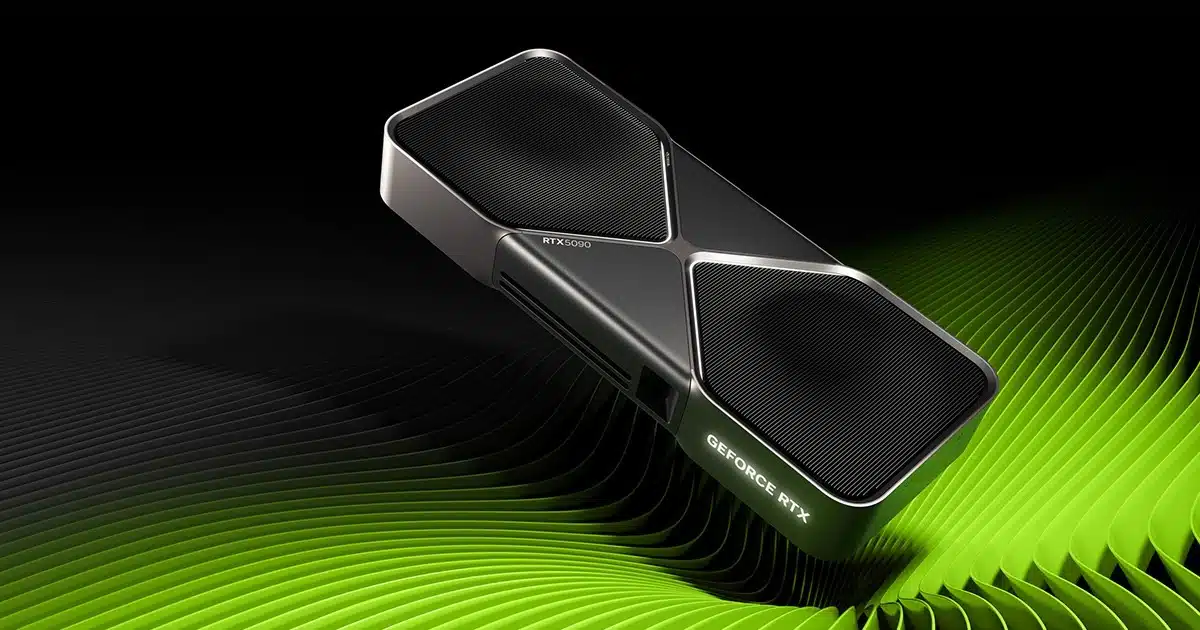
The RTX 5090 remains the benchmark in many respects. It is the most powerful, the most power-hungry, by far the most expensive—now selling for more than double the MSRP—and likely also the graphics card most prone to issues with the 12V-2×6 connector.
The number of high-profile cases has recently increased by one: The YouTube channel Hardware Unboxed reports that, in this instance as well, an Asus ROG Astral RTX 5090 got so hot that the power cable melted.
150 degrees Celsius—and not even under load
According to the YouTube video, the discovery was made when, during a routine test, someone accidentally touched the RTX 5090’s cable, which was running unusually hot. A thermal imaging camera subsequently showed readings of 150 degrees Celsius, which rose to 175.4 degrees under full load.
In addition, Thermal Grizzly Wireview Pro was used to measure the current flowing through the wires of the 12V-2×6 connector, which registered a whopping 22 amps in a single wire.
- Initially, suspicion fell on the graphics card—but the actual damage was found at the other end: At the power supply connector, the cable had fused with the Dark Power 13, so that the plug could only be removed with pliers.
- The RTX 5090 itself remained externally undamaged, and since the cable was correctly plugged in according to Hardware Unboxed, the channel rules out user error.
Similar cases have been popping up regularly since the release of Nvidia’s flagship model:
- RTX 5090: Four buyers report melted plugs within two days
- RTX 5090 “extremely concerning”: German tech YouTuber sees the return of melting connectors
The 12V-2×6 connector was actually designed to prevent such incidents. It replaced the 12VHPWR standard after the latter had repeatedly been the subject of reports of melted connectors since the RTX 4090 was released in late 2022—primarily to more reliably detect incompletely plugged-in cables.
This does little to address the actual problem: The six current-carrying wires are not connected to a common current limiter, so a single wire can theoretically carry the entire load. As of this article’s publication, Nvidia has not yet issued a statement regarding this latest incident.


