





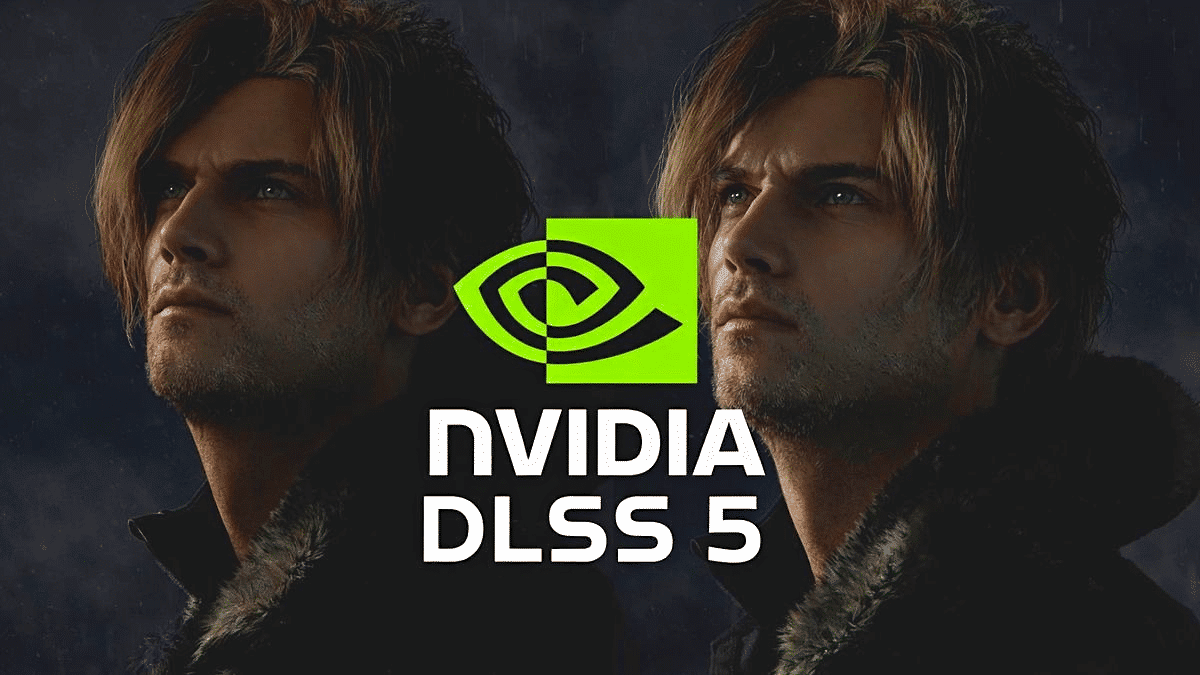
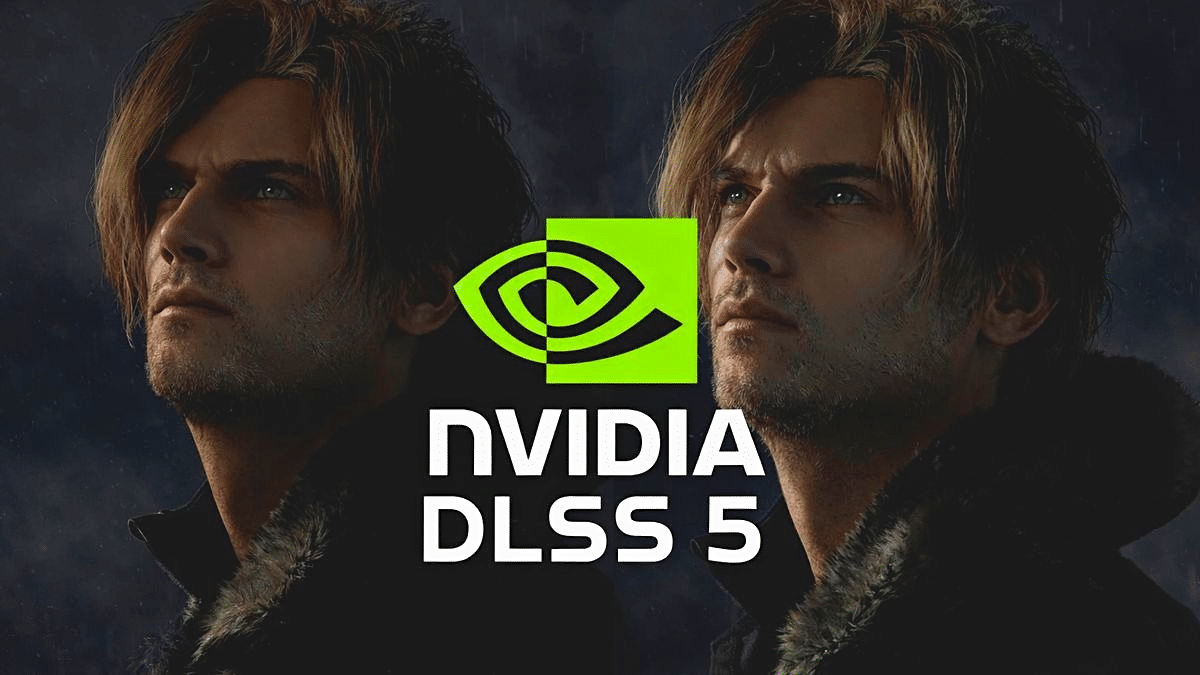
Nvidia’s DLSS 5 was heavily criticized when it was unveiled at GTC 2026. A Reddit user now shows where the real problem might lie.
Since the announcement of DLSS 5, a huge wave of criticism has swept over Nvidia. Too artificial, too much interference in the developer’s vision, too “yassified” – the list of accusations is just as long as the list of malicious comments.
In the hardware subreddit, “Veedrac” took a closer look at the comparison images provided by Nvidia and came to a somewhat more nuanced conclusion about the cause of the criticism.
His thesis: The neural rendering itself does a good job with the lighting. What creates the artificial effect, which drifts into “Uncanny Valley” territory, is instead mainly an exaggerated HDR tone mapping that is superimposed on the images.
DLSS 5 without “lousy HDR” looks much better
The reason for the sometimes mercilessly exaggerated images is therefore “bad HDR”.
It’s not really possible to simply reverse this kind of toning, but since Nvidia also left the before image in its video, it’s much easier to understand the intention behind DLSS 5.
- For this, Veedrac used the image editing tool GIMP, with which the user carried out a few steps.
- He used the DLSS 5 image as a base, applied the HSV saturation of the original for more natural colors, reduced the luminance and applied a darkening layer at 50 percent to soften the overexposure.
According to Veedrac, the result shows a clear improvement in four out of five images compared to the DLSS-5 output shown by Nvidia. The improved lighting, the more natural subsurface scattering of the skin and the sharper eye details were retained, while the exaggerated appearance of some characters, which was frowned upon as “AI junk”, disappeared.
blockquote class=”reddit-embed-bq” data-embed-theme=“dark” style=”height:316px” data-embed-created=“2026-03-20T15:41:00Z”a href=”https://www.reddit. com/r/hardware/comments/1rvwube/dlss_5_fixing_it_in_post/“DLSS 5 – Fixing it in post/abr by
a href=”https://www.reddit. com/user/Veedrac/”u/Veedrac/a in
a href=”https://www.reddit.com/r/hardware/”hardware/a
/blockquote
script async src=”https://embed.reddit.com/widgets.js” charset=”UTF-8″/script
The sample comparison is convincing for many
As an example, we show you two of the results that Veedrac’s investigation has produced.
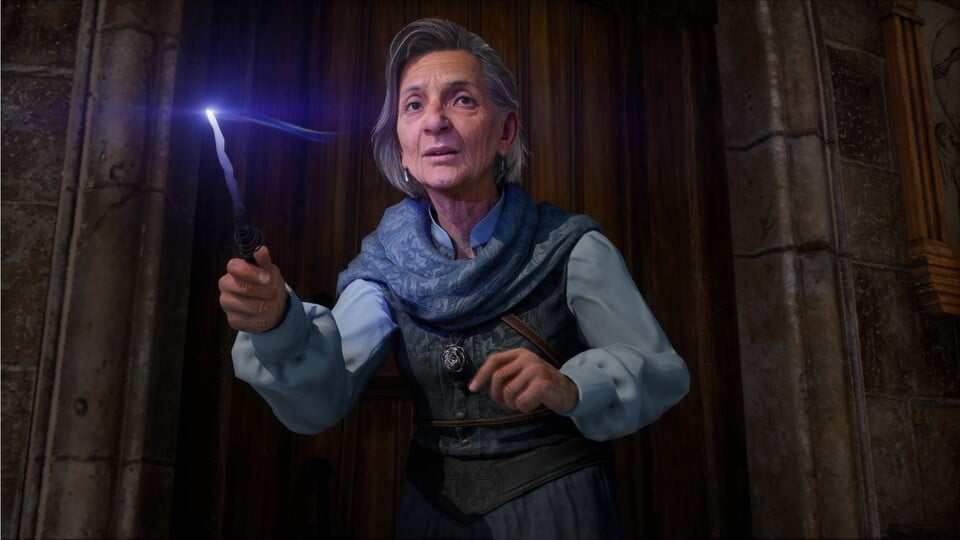
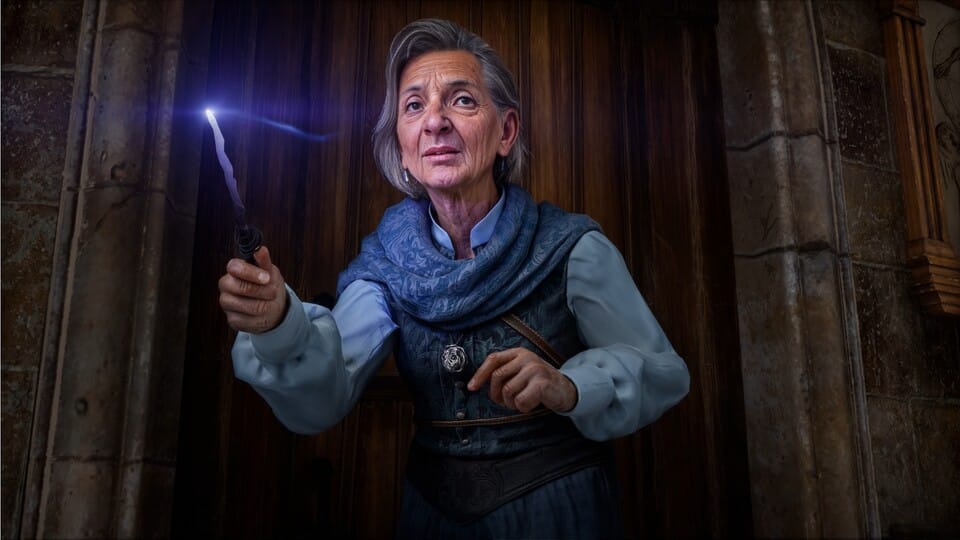
In the comparison image to Hogwarts Legacy, for example, which received a lot of criticism, the hands appear more natural and the shading in the face and neck area more realistic according to Veedrac – but you can judge for yourself.
On the left you can see the “original” DLSS-5 version, on the right the version reworked by Veedrac with the “original tone mapping”.
The Starfield comparison is similar: The male face in particular clearly benefits from Veedrac’s correction, while the lighting looks more coherent overall.
Here, too, we have placed the “original” DLSS-5 image from Nvidia on the left, while the image reworked by Veedrac is on the right.
At this point, we recommend that you take a look at Veedrac’s summarized comparison album.
Here you will not only find a few more examples, such as Resident Evil Requiem or EA Sports FC 26, but you can also select in the respective drop-down menus which comparison you would like to see between the “original” image, the DLSS-5 version from Nvidia and the version reworked by Veedrac.
The conclusion plays the ball back to Nvidia
To summarize, Veedrac draws a very simple and direct conclusion: “Nvidia, turn off the damn HDR filter; what are you doing?”
Nvidia itself, meanwhile, emphasizes that studios are given complete control over intensity, grading and masking.
CEO Jensen Huang described the criticism in this context as “completely false” and pointed out that it was “generative control at the geometry level”.
Some commentators, however, suspect a mundane reason why Nvidia chose this drastic “HDR filter”: otherwise, no clear difference to DLSS 4 would have been seen – and that was apparently the most important point for the presentation, whatever the cost.


