





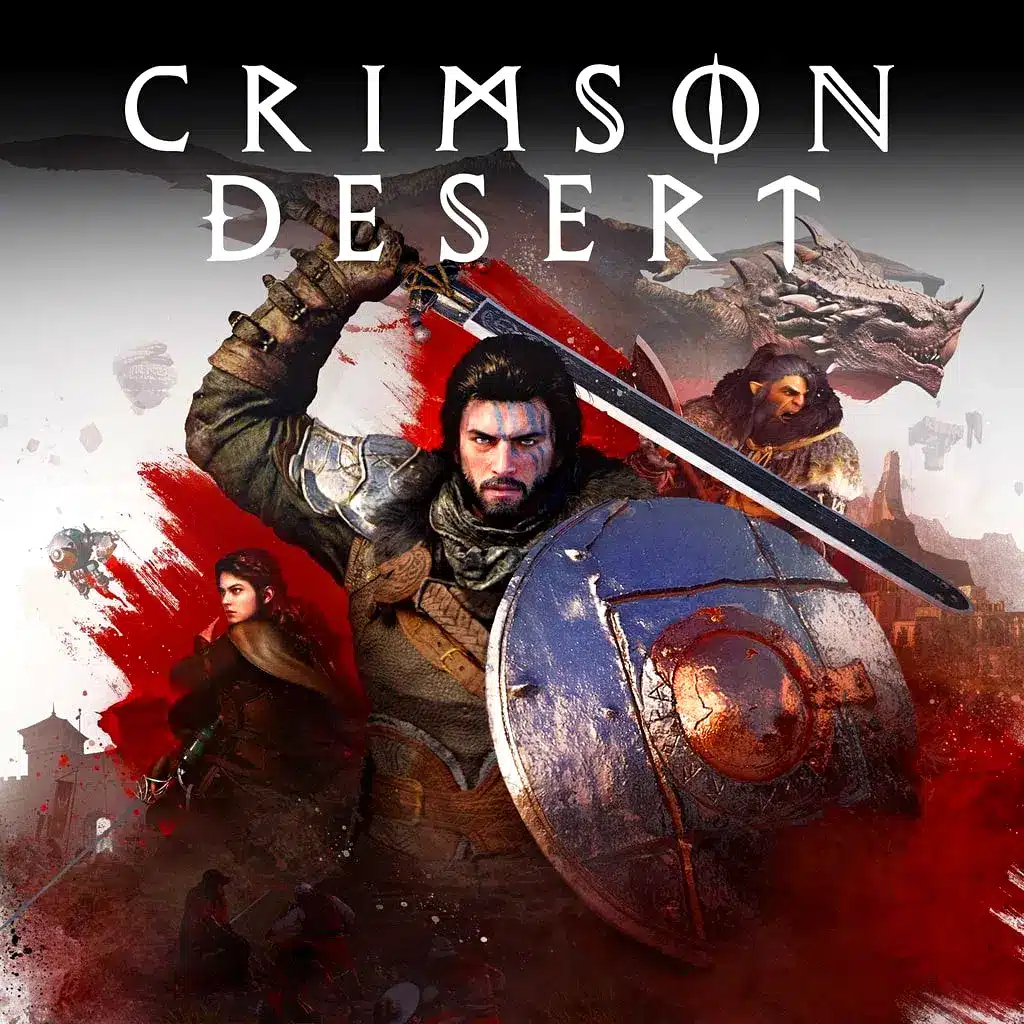
After harsh fan criticism of AI paintings in Crimson Desert, the studio Pearl Abyss speaks of an oversight.
Crimson Desertis currently celebrating great success on Steam and consoles, with the action adventure game selling over two million copies after just a few hours.
However, observant fans have found paintings in the game worldthat appear to have been generated by an artificial intelligence – including bizarre anatomical errors.
Developer Pearl Abyss has now apologized and promises to rectify the situation quickly.
Placeholder simply forgotten
The paintings that you encounter on the walls of Oakenshield Manor, for example, were actually only intended to serve as early placeholders- the studio claims in a detailed statement.
We would like to address questions regarding the use of AI in Crimson Desert.
During development, some 2D visual props were created as part of early-stage iteration using experimental AI generative tools. These assets helped us rapidly explore tone and atmosphere in the earlier…
– Crimson Desert (@CrimsonDesert_) March 22, 2026
AI tools were experimented with at the very beginning of development to explore the visual mood of the world. Before the release, these graphics were supposed to be replaced by handmade artworks by the in-house artists – which, according to the company, was apparently simply forgotten for some assets.
Pearl Abyss apologizes for this “omission” and also admits that the lack of transparency on the Steam store page was a mistake. In upcoming patches, the affected images will now be quickly tracked down and replaced with final, hand-drawn textures.
Our opinion: excuse or truth?
“We just forgot” certainly sounds like a convenient excuse for many of you, doesn’t it? However, if you take a closer look at the actual images, it doesn’t seem completely implausible.
Faces that blend together, hands with too many fingers or horses with six legs were typical teething troubles of earlier AI models such as Stable Diffusion 1.5/XL. With modern tools such as Google’s Nano Banana series, the first version of which was released in August 2025, such gross anatomical errors are largely a thing of the past.
At the same time, it is important to note that not all paintings in the game give this impression. The majority appear handmade, which suggests that they are more likely to be isolated outliers.
For us, this suggests that at least some of the eye-catching images could actually be from a very early development phase and have simply been lost over the years. However, this is not clear evidence.


