





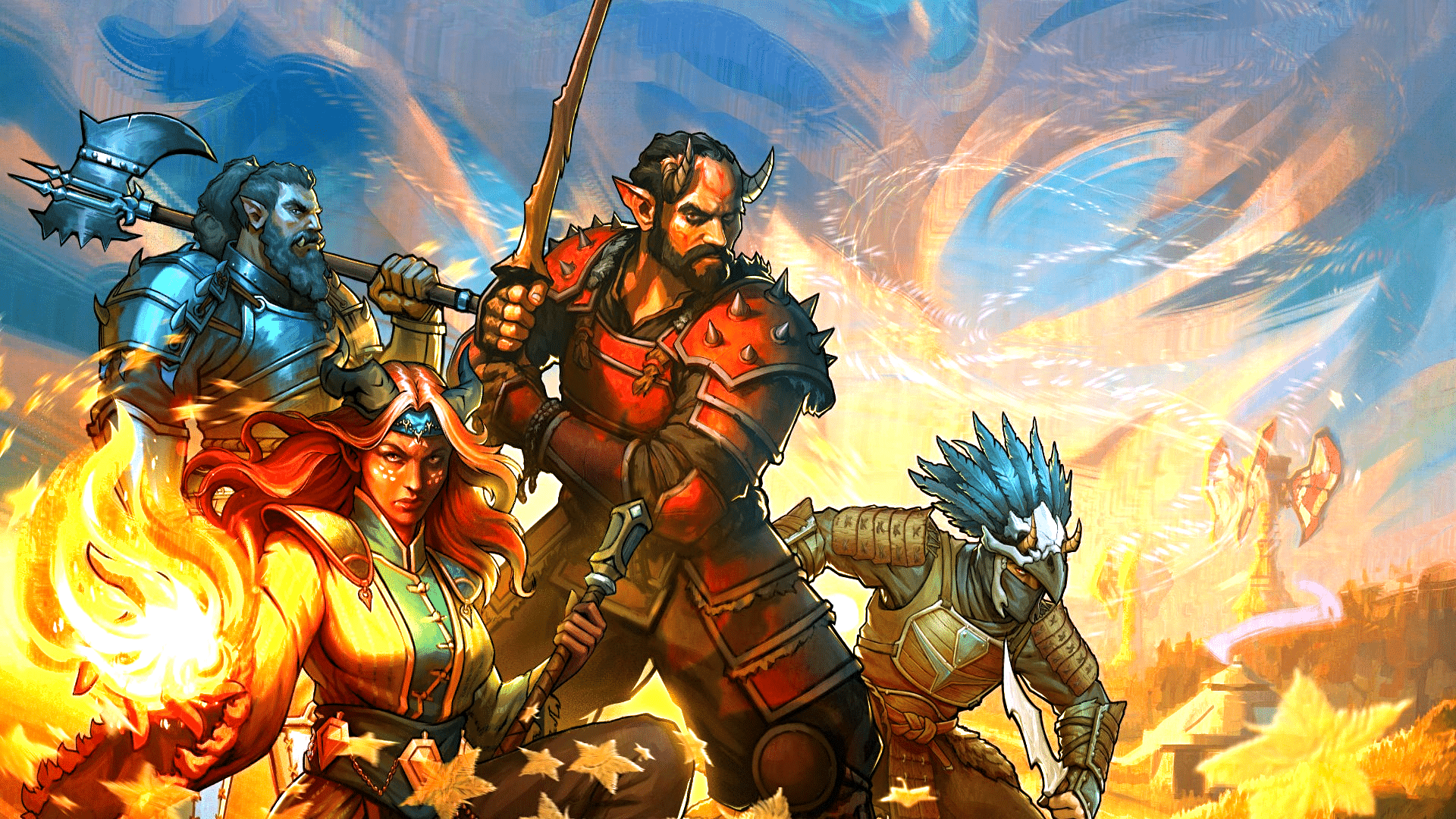
I’ve been eyeing the role-playing game Ardenfall for a while now, and I finally got to play the demo at Steam Next Fest. I just have to tell you about it.
They say you should never judge a book by its cover. But I like beautiful covers, and that goes for games too. I don’t need every game to have hyper-realistic 4K textures and ray tracing, but I do want appealing graphics. And that’s why Ardenfall almost failed for me.
Luckily, only almost! At Steam Next Fest, I took the time to play the demo. Now I can only advise you: take the plunge, forget about the graphics, and definitely give Ardenfall a chance if you remember Morrowind, Oblivion, or Skyrim with a smile.
Gameplay over graphics
Let’s talk about the pixelated elephant in the room first: Ardenfall is just
an indie game, and it shows. I had to get used to low-detail textures, flat lighting, and unspectacular effects.
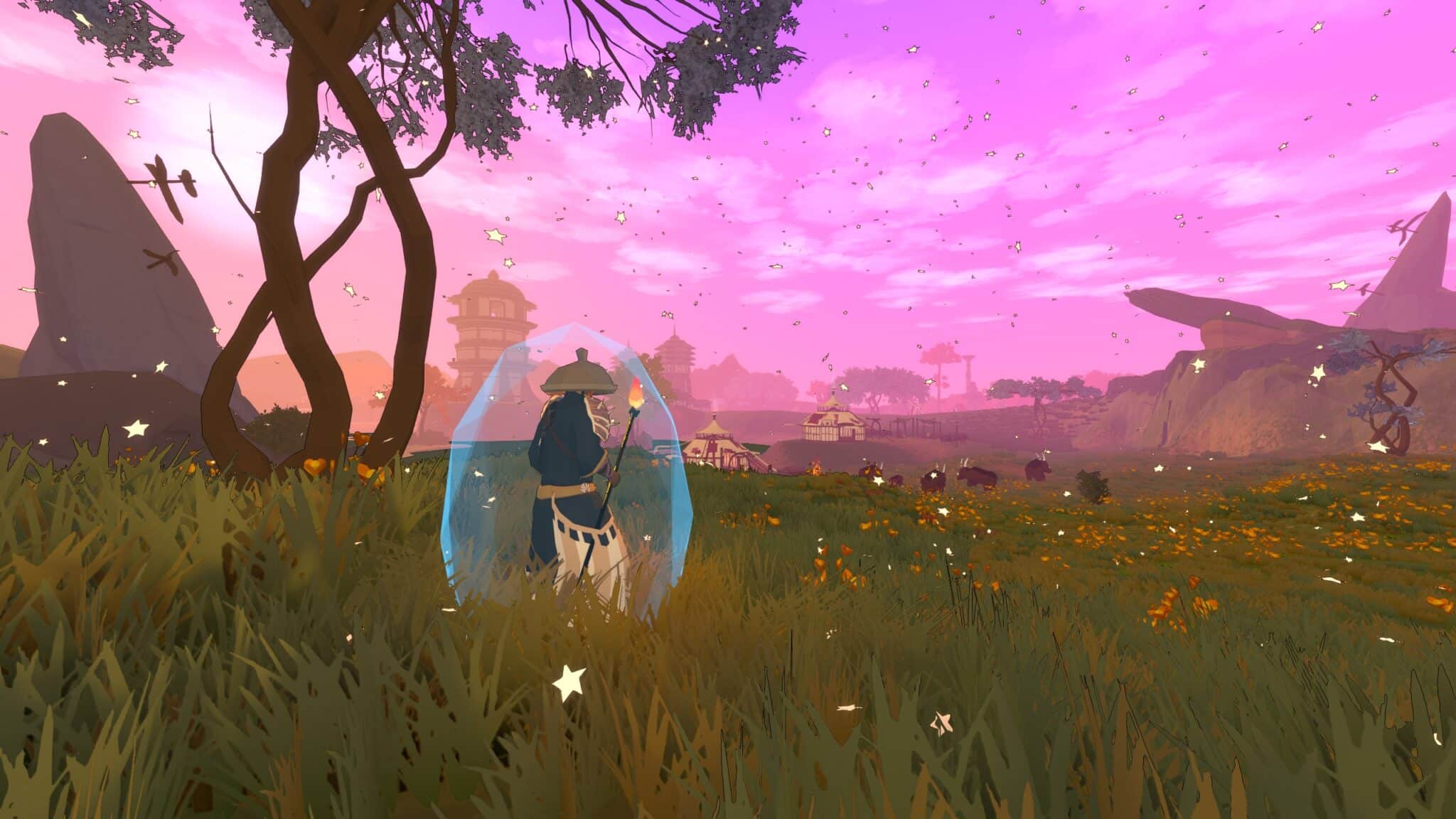
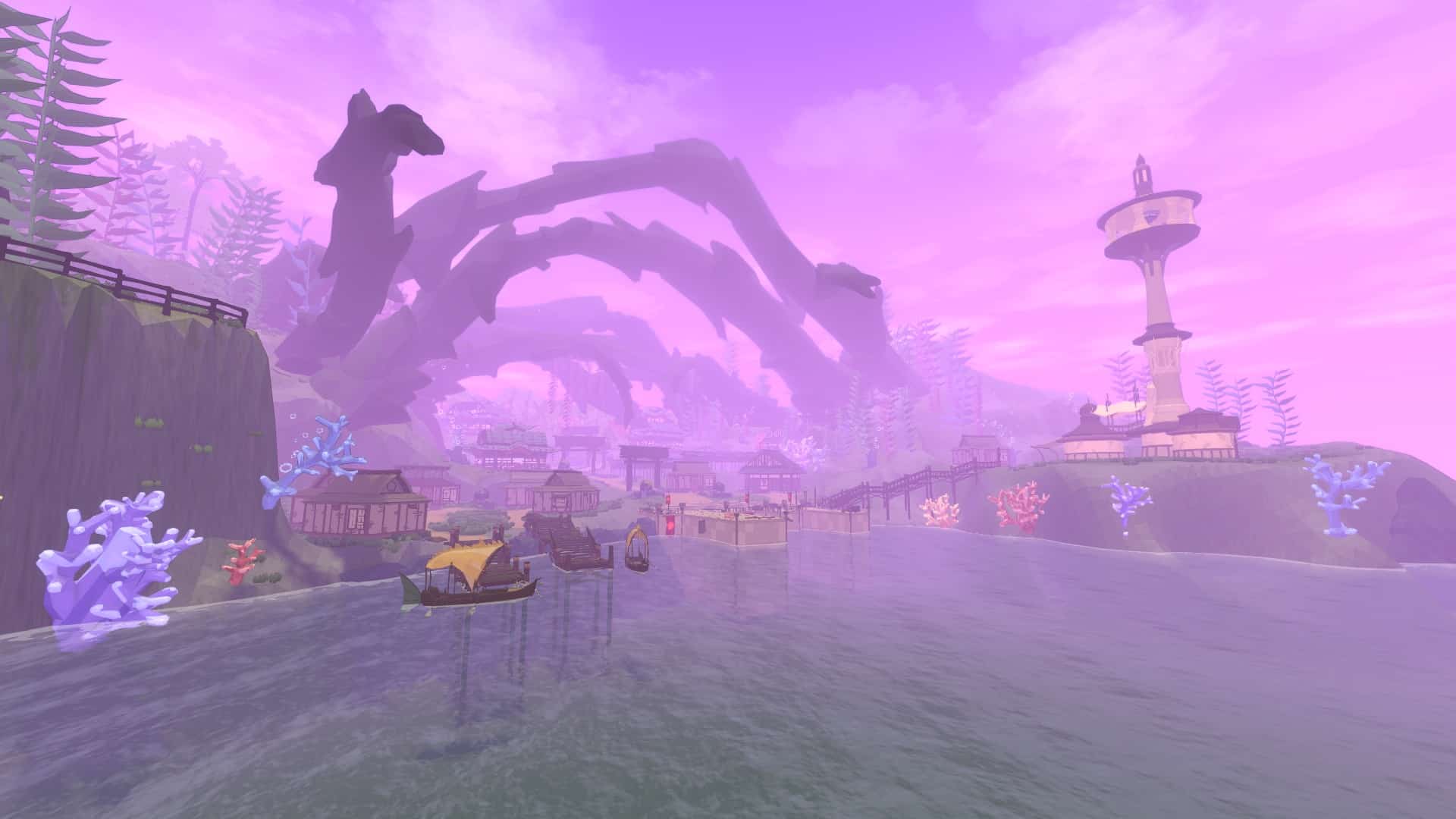
Hardly anyone would describe this role-playing game as pretty. But the world is still lovingly designed and has its own unique charm. Instead of a generic fantasy environment with knights, trolls, and half-timbered houses, we find ourselves in a strange-looking land with an Asian feel to it. In the demo, I explore a lonely coastal region whose vegetation is reminiscent of a coral reef.
This brings me to the second elephant in the room, which is much more welcome: the Ardenfall demo and the area we explore exude the purest Morrowind atmosphere. The sleepy village of Bisawa certainly brings back memories of arriving in Seyda Neen, and I’m sure I’m not the only one.
And then there’s the name Ardenfall, which is probably no coincidence that it’s only a few letters away from Vvardenfell, the game world of Morrowind. The developers are definitely not making a secret of their great role model. And indeed, the indie RPG feels like an Elder Scrolls game!
Skills, traits, and absolute freedom
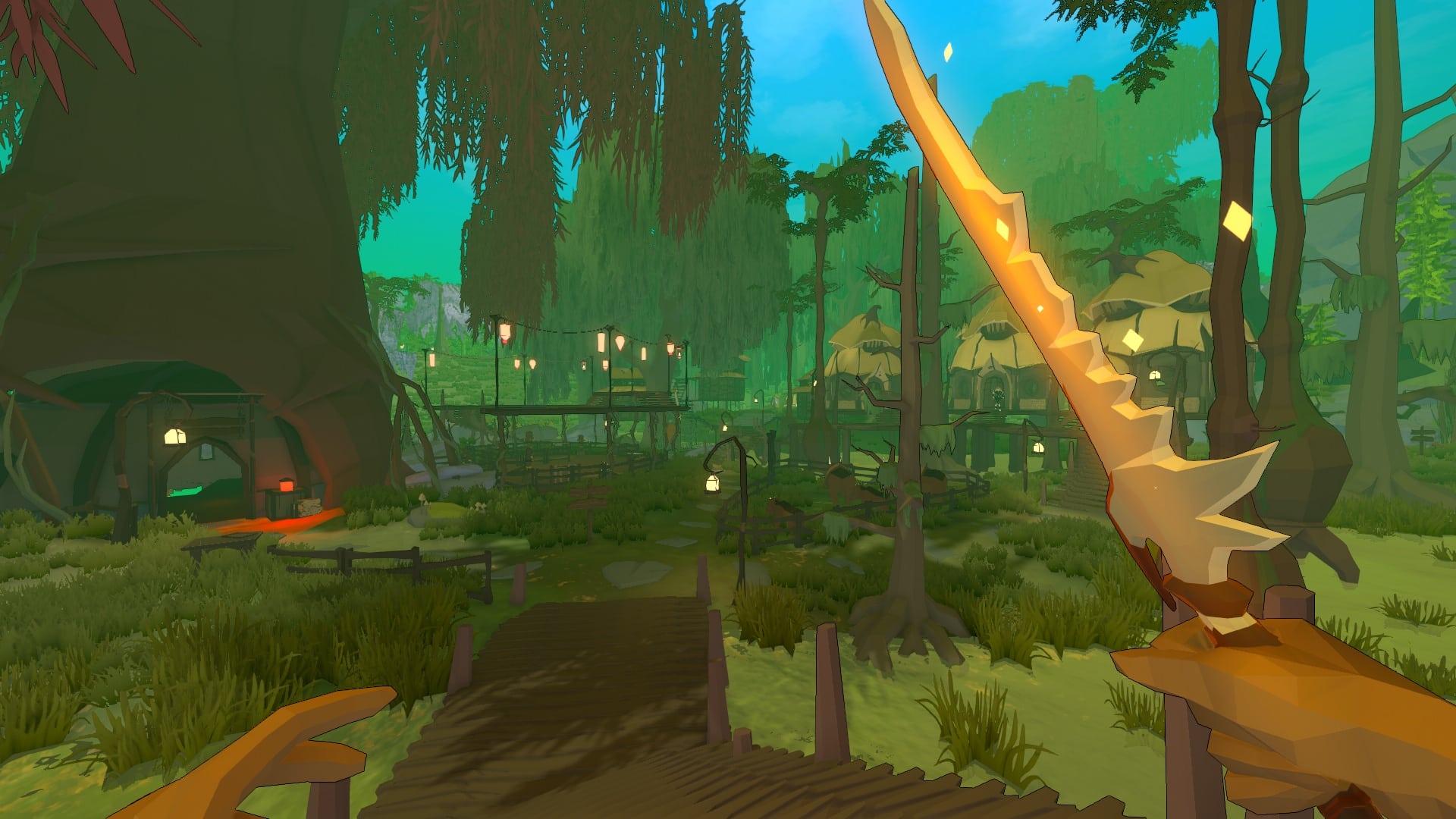
At the start of the game, I decide on my character’s race and appearance, but instead of choosing a class and birth sign, I invest points in attributes (strength, intelligence, agility, endurance, and charisma) and three main skills that level up faster than the rest. I also choose two traits that unlock special dialogue options and possibilities.
The result is similar to Elder Scrolls: I build a character according to my own ideas, with strengths and weaknesses: for example, a mage, a thief, a fighter, or an alchemist. But I don’t commit myself rigidly. No one can stop me from leveling up completely different skills later on and perhaps playing the infamous stealth archer instead of the heavily armored warrior.
But my decisions still have meaning: if I’m strong enough, I can clear away debris that’s buried a chest. And as a mage, I can simply blow the stuff away with a fireball.
So there are constant skill and attribute checks in the world and in dialogues, or special opportunities that I get through my traits.
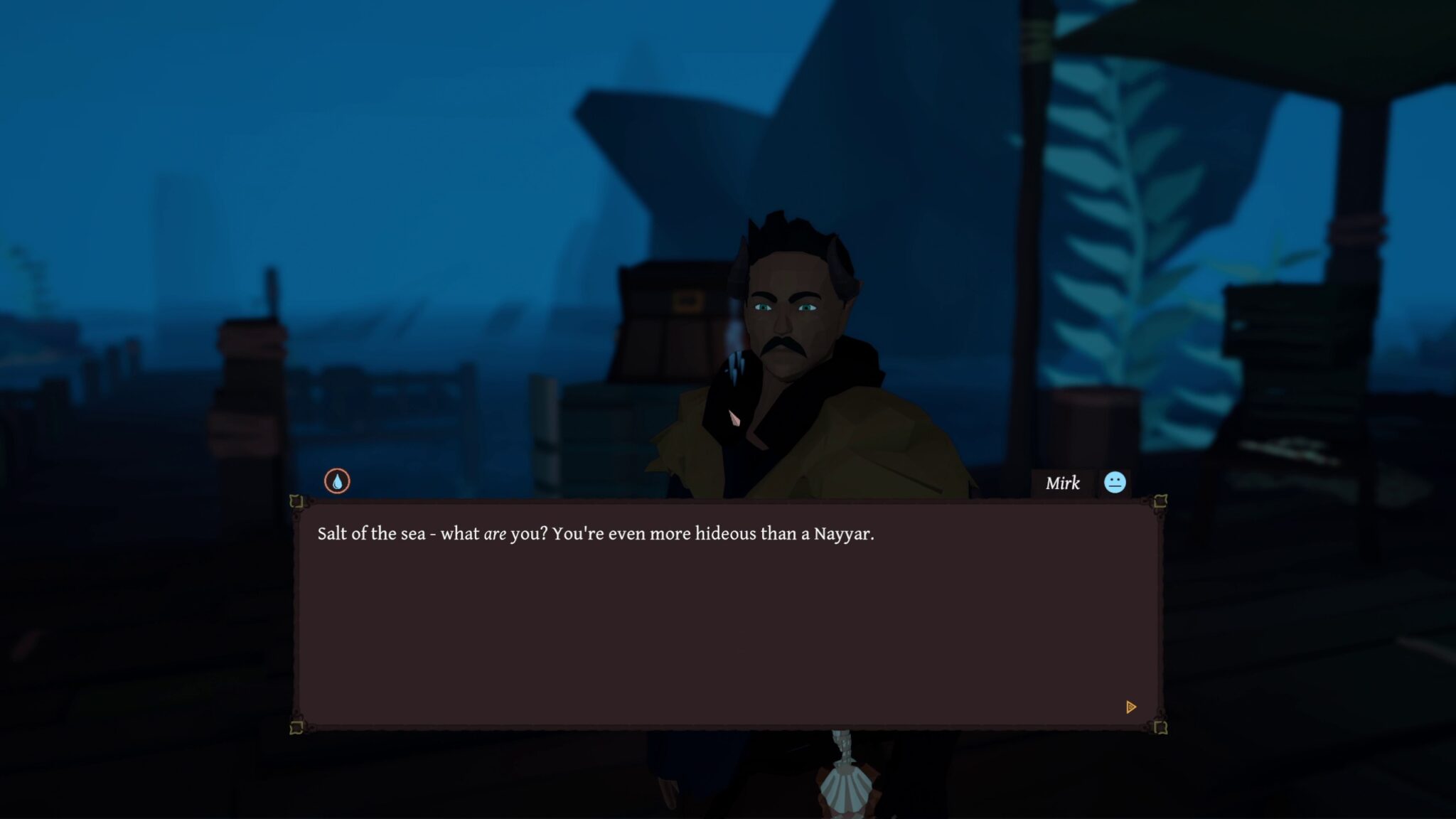
But that’s not the end of the decisions, as they also play a major role in quests. In the demo, for example, an important trade route is blocked by a giant ghost creature. I can either free it and let it fly away peacefully, or I can blow the creature to smithereens, which will anger the inhabitants of the nearby village and destroy their trading post.
In the course of the main quest, similar to Morrowind, I can then work with different factions and increase my reputation. My decisions should have a noticeable impact, as in the demo quest.
Where to go?
Ardenfall not only places great emphasis on freedom of play, but also refrains from holding my hand. Quest markers? Nonexistent. I just have to pay close attention in dialogues to where my clients are sending me. Precise instructions are also rare; I have to figure out for myself that I need to repair a type of plant so that it produces giant air bubbles, which I can then use to float to a flying island. In a cave, I want to get to a chest on a seemingly unreachable ledge? Then I’ll have to equip a levitation spell or search for a magical aura that lets me jump higher. These may be small things, but it feels much better to find a goal or overcome an obstacle yourself instead of just following quest markers and tutorials.
Ardenfall is an uncompromising role-playing game; the indie developers want to and are allowed to pursue their own vision. This also means focusing on the essentials: instead of a huge world and glossy graphics, there are stylized graphics and a compact open world. However, Ardenfall wins me over with its deep role-playing systems, freedom of play, and decisions with consequences.
Of course, it remains to be seen how good Ardenfall will really be when it is released in Early Access on Steam in 2026.
Editor’s conclusion
For a long time, I wasn’t sure if Ardenfall was really for me, but after just half an hour, I got used to the visuals. That’s because the role-playing game gives me pretty much exactly what I’m used to from Bethesda. Instead of following a quest, I first clear out an entire dungeon and find weapons, armor, potions, and lots of junk.
I try out magic, one-handed or two-handed melee weapons and bows, get on good terms with the locals, show off my knowledge or intimidate them with my muscle. Ardenfall promises to be a great role-playing sandbox that will help me pass the time while I wait for Elder Scrolls 6.
Of course, I’ve only seen a small part of the game so far, and there are still some question marks: Will Ardenfall offer many entertaining quests upon release? Will I meet memorable characters? Will there be a gripping story? And what else awaits me in the open world? I can’t wait to finally get answers to all these questions.


