





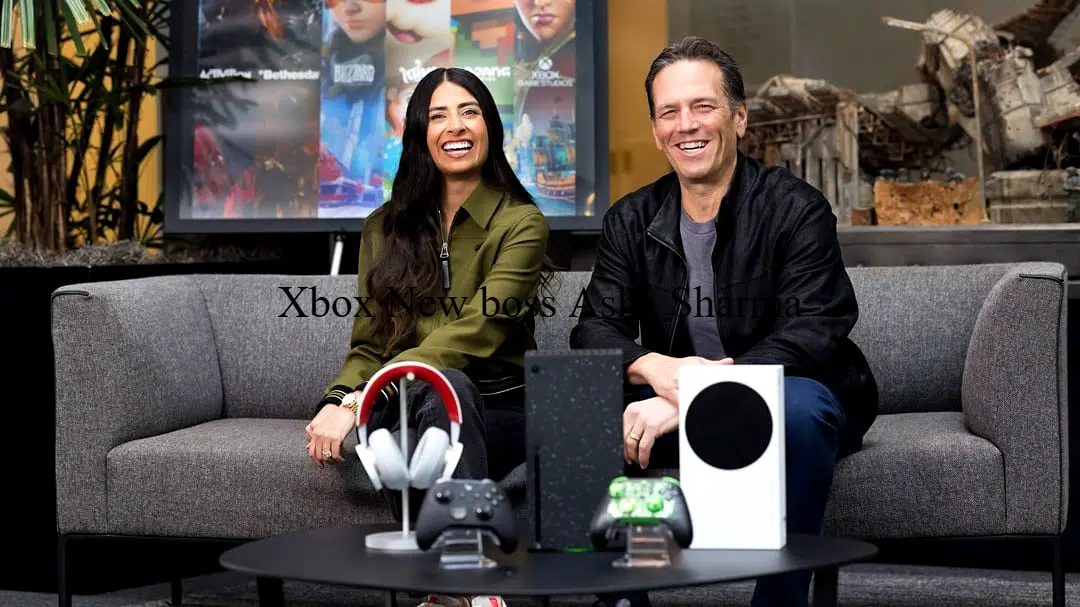
Following the change in leadership at Xbox, the new CEO Asha Sharma has commented for the first time on the strategic direction of the gaming division. Phil Spencer and Sarah Bond have left the company with immediate effect.
Sharma spoke of a “renewed commitment to the console,” but made it clear that the Xbox PS5 multi-platform strategy will continue.
Multi-platform remains core to the strategy
In recent months, Microsoft has increasingly released its own titles on other platforms. Games such as Forza Horizon 5 achieved high sales figures on the PlayStation 5. Other well-known brands are also considered candidates for Sony’s system.
Sharma emphasized that gaming today takes place “across devices.” The goal is to break down barriers and enable developers to deliver content efficiently across multiple platforms.
Microsoft CEO Satya Nadella added that the company has over 500 million monthly active users and highlighted its role as a cross-platform publisher.
Console remains part of identity
Despite the clear multi-platform course, Sharma emphasized the importance of the company’s own hardware. The console has shaped the Xbox brand and remains a central component of the ecosystem.
There are no plans to withdraw from the hardware business. At the same time, the strategic orientation indicates that exclusive titles will no longer be the focus in the future, as they were in earlier console generations.
The Xbox PS5 multi-platform strategy will therefore remain in place, supplemented by a stronger focus on the company’s own hardware base.
AI background sparks discussion
Sharma’s professional background in artificial intelligence attracted additional attention. In her statement, however, she emphasized that no short-term efficiency strategy was planned.
Games would continue to be developed by creative teams. Technology should support, not replace.
FAQ
Asha Sharma is taking over as head of the gaming division.
Phil Spencer and Sarah Bond.
Yes, releases on PlayStation 5 are still planned.
No, Sharma spoke of a renewed commitment to hardware.
Technology should support creative processes, which will remain human-driven.


