





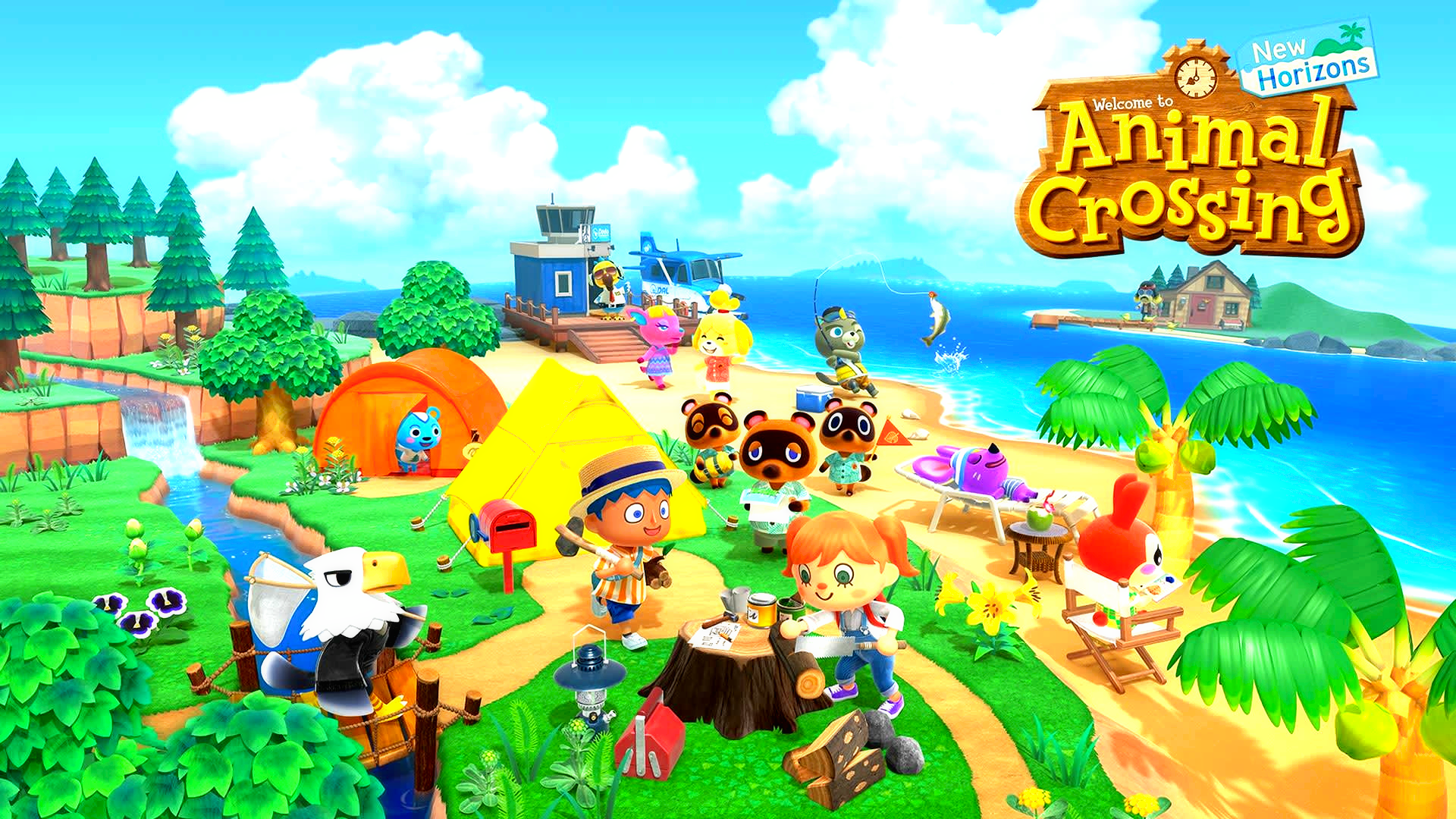
Nintendo takes action: After five years, one of the most notorious islands in Animal Crossing: New Horizons has been deleted.
When you think of Animal Crossing: New Horizons, you usually picture an idyllic island world with colorful flower meadows. But the sandbox mechanics of the life simulation game can also be used in a completely different way.
A Japanese player named @churip_ccc ran an island for five years that became famous as the “adult island.” Shortly before the big 3.0 update, Nintendo pulled the plug and permanently removed the island.
A den of iniquity with a cuddly look
The deletion is actually less surprising than the fact that the island was able to exist for so long. The creator himself confirmed the shutdown on X and did not appear angry or disappointed. Instead, he thanked Nintendo for “turning a blind eye” for so long.
What was there to see? Anyone who entered the island landed directly in front of a so-called “Muryou Annaijo.” Officially meaning “free information center,” this is a clear code in Japanese culture: such stands in entertainment districts provide information about hostess bars, strip clubs, and brothels.
The attention to detail with which adult themes were implemented here in brightly colored Nintendo graphics ensured high click rates on YouTube for years. Both average gamers and major influencers visited the island to see the creative misuse of the game mechanics.
Between love hotels and drug references
Nintendo has not officially communicated what exactly triggered the ban, but a tour of the island provided countless reasons. The creator used the game’s limited design tools in an extremely imaginative way to create explicit scenarios:
- The island was littered with neon signs, piles of trash in backyards, and buildings designed to look like love hotels.
- The famous David statue (an official item in the game) was placed several times in such a way that palm trees or other objects deliberately drew attention to the statue’s crotch.
- In the houses, there were bedrooms with crumpled tissues next to the beds.
- “Herbal” stalls were designed to resemble street drug sales.
The redesign did not stop at the popular residents of the game: Eugen the owl’s room was decorated with photos of Melinda the dog and the aforementioned tissues, which cast the museum director in a questionable light. Tom Nook, on the other hand, was given a room designed to suggest that he regularly receives female visitors there.


